Experience AI Expands Teacher Training Across Latin America, With Argentina Targeting 153,000 Students
- Published
- Author
- Saúl Maldonado
- Reads
- 860
Local partners are adapting Experience AI for schools in four countries. In Argentina, university networks will train teachers ahead of a planned nationwide rollout.
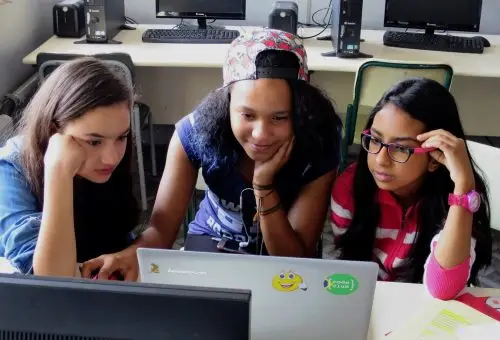
Experience AI’s move into Latin American classrooms depends on a practical resource: teachers who can explain how artificial intelligence works and help students examine its effects. The programme is expanding to nine countries in the region with support from Google.org and local education partners. Launch events have taken place in Brazil, Chile, Argentina and Mexico, where educators and other groups have discussed ways to bring AI literacy into schools.
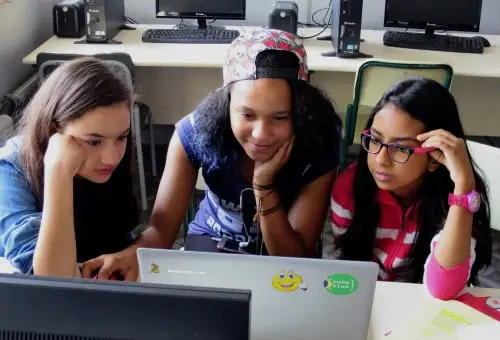
The programme’s classroom aim is broader than introducing students to AI tools. Its training and teaching resources are intended to build a foundational understanding of AI technologies, address their social and ethical implications, and help young people consider the part these systems may play in their lives. That combination matters: students need to understand both what AI can do and how its use can affect people.
For teachers, the immediate question is how to teach those ideas in a way that fits existing schools and local needs. Experience AI’s approach gives local organisations a role in adapting delivery to their education systems, while also connecting partners facing shared implementation challenges. The work is therefore built around teacher confidence and professional development as well as classroom materials.
Local partners shape programme delivery
The partners named for the four countries are Fundación Sadosky in Argentina, Fundación Kodea in Chile, Sincroniza Educação in Brazil, and Educación para Compartir in Mexico. Each brings experience in education and teacher development, and each is implementing Experience AI in its own national context.
This local delivery model gives the programme room to work through established education networks rather than assuming that one training format will suit every school system. Partners also collaborate on common challenges. That arrangement could help them share practical lessons as the programme grows, while keeping training connected to local expertise.
The launch events brought together educators, universities, non-profit organisations, technology leaders and policymakers. Those groups can each contribute to the conditions needed for classroom adoption: educators understand day-to-day teaching needs, universities can support training networks, and local organisations can connect programme materials with existing education work. The source material describes a shared goal across these groups: giving teachers the confidence and resources to help young people engage with AI thoughtfully and responsibly.
Argentina builds training through public universities
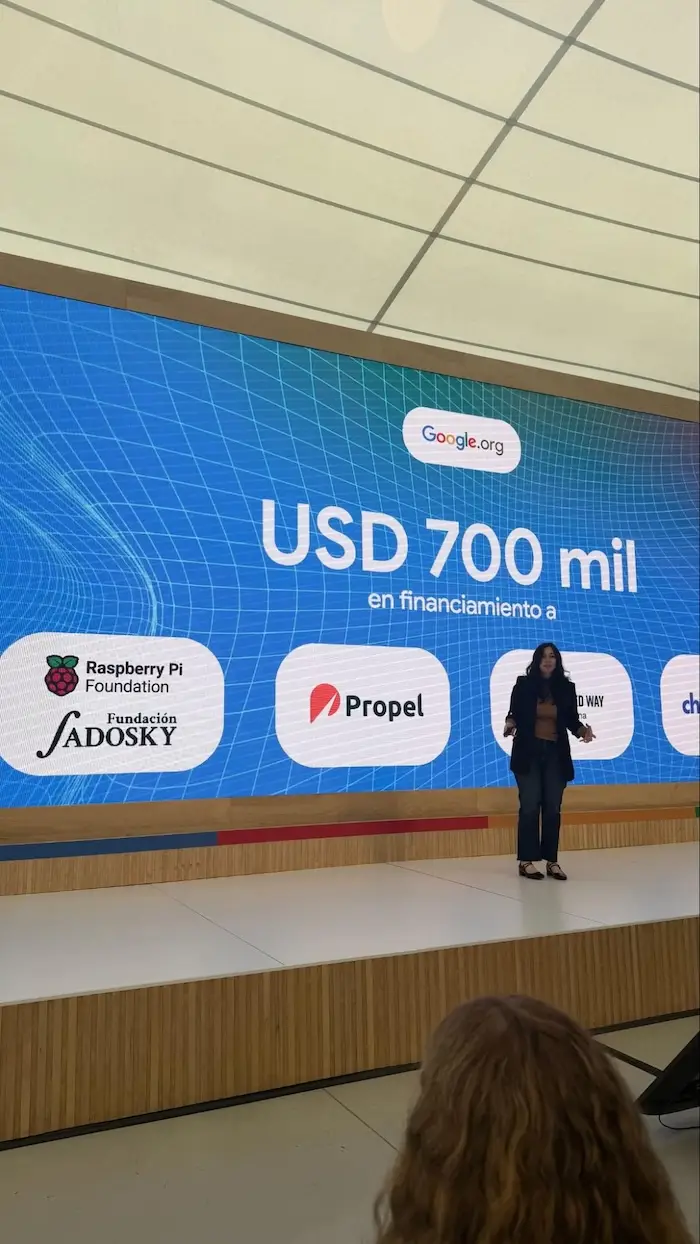
Argentina’s programme began with a June launch in Buenos Aires during a Google event. Fundación Sadosky plans to develop teacher training through a network of public universities across the country, rather than depending on a single central training team.
The network approach is designed to draw on regional expertise and existing educational connections. The first group of participating universities is already working with teachers in several provinces. The programme is expected to expand nationwide after this initial stage.
For training programmes that need to reach educators across a large country, regional delivery can make local knowledge and existing relationships part of the rollout. Here, the stated intention is to build regional trainers and local capacity, so that training can continue beyond the first round. The plan’s longer-term value will depend on how effectively those university teams can support teachers in their areas and sustain the work as the programme expands.
Experience AI aims to support around 1,700 secondary school teachers in Argentina and reach an estimated 153,000 students. Those figures describe the programme’s targets; the rollout is still in its early stages, with the first university cohort at work before nationwide expansion.
From launch events to classroom use
With initial events complete in four countries, attention is shifting to implementation: supporting teachers and getting the programme into classrooms. That is where the model will be tested in practice. Training must equip teachers to use the materials with students, while local partners adapt delivery to the demands of their education systems.
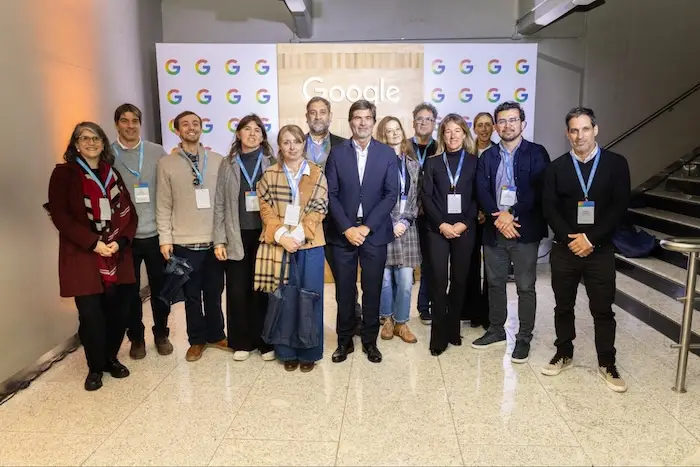
The regional ambition is substantial. By 2028, Experience AI and its Latin American partners aim to support 24,000 more educators and reach more than 1.25 million young people. The programme is also looking to work with additional partners across the region.
For educators, the near-term measure is whether training and resources make AI concepts teachable in real classrooms. For the programme’s partners, the task is to grow delivery while keeping it grounded in local experience. The university network in Argentina offers one example of how that effort may be organised; its progress, alongside the other country programmes, will show how far a shared AI literacy goal can travel through distinct school systems.