Commissioning Electrical Systems Starts with Design, Assembly and Process Control
- Published
- Author
- Casey Porter
- Reads
- 833
Early coordination, controlled assembly and traceable checks can shift commissioning from fault-finding toward confirming production readiness.
Commissioning an electrical system is shaped well before the equipment reaches its final site. For manufacturers aiming to bring upgraded or new equipment into production with minimal disruption, early design decisions, consistent assembly and coordinated testing determine how much uncertainty remains at installation.
That matters because modern systems can combine control panels, drives, motors, protection devices, sensors and control hardware from several suppliers. Each interface has to be specified and assembled correctly, then checked as the system moves from the initial request for quotation through design and Factory Acceptance Testing (FAT). If a mismatch is left undiscovered, the team may find it during FAT or site work, when correcting it can disrupt more people and activities.
Move checks upstream
Project scoping and stakeholder coordination give engineering and manufacturing teams a chance to resolve questions before parts and work converge on the factory floor. Early integration checks can expose interface problems while the design and build are still being prepared. FAT then provides a structured opportunity to verify the assembled equipment before it is shipped.
Site conditions still matter. The location needs to be ready, required utilities must be available, and other contractors may be working in the same area. These practical constraints can affect the installation and commissioning schedule even when the equipment itself is correctly built. Planning for them early gives the teams a clearer view of what must be in place when the system arrives.
Phil Coleman, Business Development Manager at adi Lean Manufacturing & Design, says customers expect equipment to integrate into operations and reach production with limited disruption. His view is that commissioning begins before delivery: the work done during scoping, design and manufacture affects how smoothly the system can be brought online.
Build quality is part of controls readiness
Software and control architecture attract attention as equipment becomes more connected, but they cannot make up for poor physical design or inconsistent assembly. A control system depends on the hardware and connections behaving as intended. When build quality varies, commissioning engineers may have to find out whether the fault lies in the design, assembly, equipment interface or installation before they can assess system performance.
Preventing those unknowns starts on the factory floor. Repeatable assembly methods, checks on critical operations and records showing which work has been completed can establish that the equipment matches its intended build before it reaches site. That gives commissioning teams a firmer basis for confirming the system in its wider installation, rather than first investigating whether the unit was assembled correctly.
The practical distinction is between discovering a problem and validating a known result. The more design and manufacturing risks are surfaced before FAT and delivery, the more commissioning can focus on system behavior in its installed context. That does not remove the need for site testing; it makes the starting point better documented.
Put work instructions into the process
Complex products and changing production demands make it harder to rely on operator memory or informal knowledge alone. A manufacturer may need to handle multiple product variants, with small differences that change the required assembly steps. If those distinctions are difficult to see, an operator can follow a familiar sequence that is wrong for the unit in front of them.
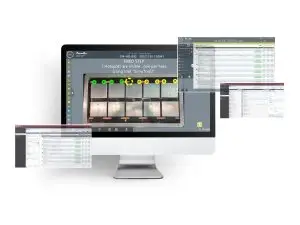
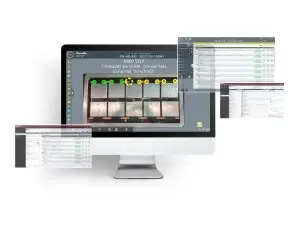
Digital process control can place instructions and checks within the assembly workflow. Desoutter’s Pivotware process control system is one example: it guides operators through a defined sequence and provides visibility into completed operations. Where the workflow identifies the product and presents its corresponding steps, the process depends less on remembering which variant requires which procedure.
Grace Ball, Projects Supervisor UK&I at Desoutter Tools, describes this as a response to manufacturers managing more complex products and flexible workforces. Embedding critical information in the work process can help maintain repeatability when teams cannot depend on informal knowledge being shared consistently.
The value is not limited to speed. Process guidance can help manufacturers check that required operations have been performed before a unit advances to testing or leaves the factory. The records also give teams evidence of completed work, which helps them trace the build when a question arises during FAT or commissioning.
Make commissioning a readiness check
When design, assembly and integration teams work from the same expectations, commissioning can serve as the final confirmation that the equipment is ready for production. Coleman’s stated aim is to reduce uncertainty before the system reaches site; Ball similarly argues that building the process in from the start gives teams more confidence in what they are validating.
For manufacturers, the useful measure is whether the handoffs preserve that confidence. Requirements need to carry through design, assembly, verification and FAT, with site readiness considered alongside the equipment. Gaps between those stages can reintroduce questions that earlier checks were meant to resolve.
Reducing variability at source does not guarantee an interruption-free start-up, since site interfaces and operating conditions still need to be confirmed. It does, however, give commissioning engineers a better documented system to assess. When the build process is controlled and critical checks are traceable, their attention can stay on proving performance in the installed system instead of reconstructing how the equipment was made.


