Planning Support Removal for Large-Format 3D Prints
- Published
- Author
- Lindsay Lawson
- Reads
- 909
Orientation, design, material pairing and access determine how much support a large FFF print needs—and how safely it can be removed.
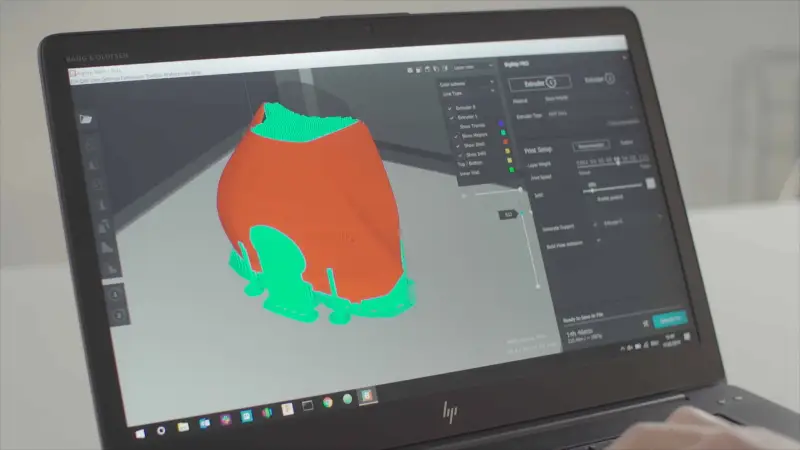
Support removal on a large-format FFF part can become a substantial post-processing job. Broad supported surfaces, deep internal features and large amounts of temporary material all add work—and make it easier to mark or damage the finished part. The most effective way to reduce that burden is to plan before printing, when geometry, orientation, support material and access can still be changed.
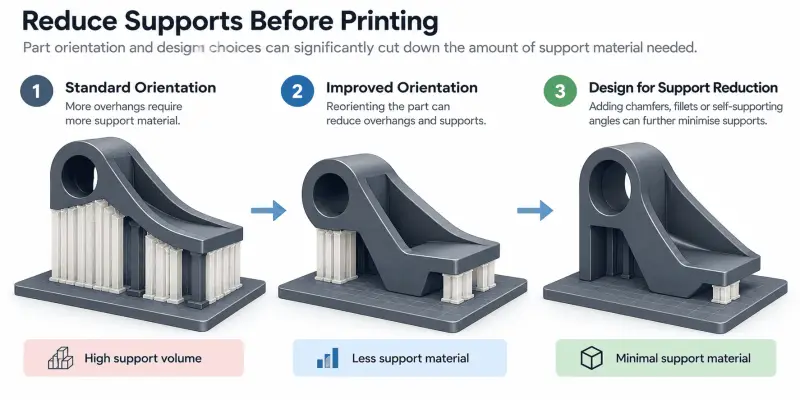
For accessible features, breakaway supports may be the practical choice. Soluble supports such as BVOH can help with complex or hard-to-reach areas, but they require a compatible material pairing, dual extrusion and a dissolution setup. Neither method is automatically better: the geometry and finishing requirements decide which one fits.
Plan support around the part
Supports are temporary structures placed beneath or around features that a printer cannot produce reliably on their own. They may be needed for overhangs, bridges beyond the reliable span for a given machine and process, suspended features or some internal geometry.
There is no single overhang angle that determines support needs across all FFF jobs. Geometry, part orientation, material, nozzle size, printer and slicing settings all affect what can be printed without support. Design for additive manufacturing (DfAM) can reduce the need before the part reaches the slicer. Depending on the application, that might mean replacing a horizontal ledge with a chamfer, choosing self-supporting geometry, redesigning an internal channel or adding a structural fin that stays in the finished part.
Orientation changes both the amount of support and where it touches the part. A different build direction may reduce supported area, put support on surfaces that are easier to reach, open access to internal features or move contact away from a critical face. Yet the orientation with the least support may affect mechanical properties, build height, print time, surface finish or dimensional behavior. Those requirements need to be considered together.

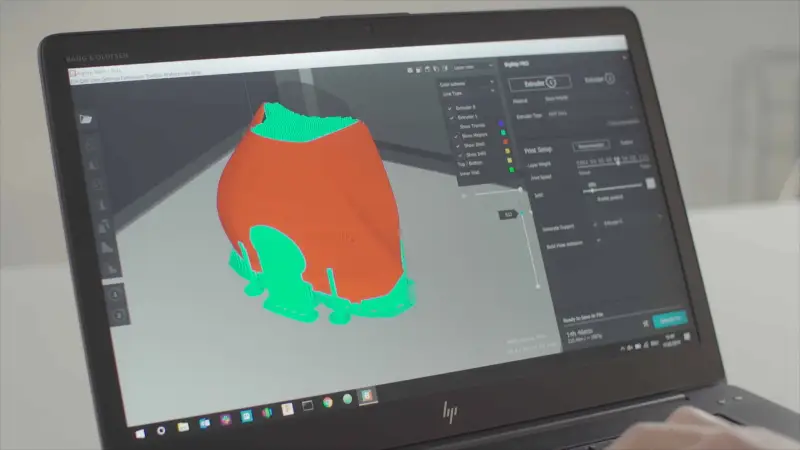
For topology optimization, some tools can include overhang or support constraints during the optimization process. That can help limit heavy support later. If a component exceeds the machine’s build volume, segmentation may also improve manufacturability; the support plan can affect how sections are divided and oriented.
These choices matter especially on a multi-day print. Unnecessary support adds material and machine time before it creates cleanup work. The easiest support to remove is the support the design never required.
Choose between breakaway and soluble support
Breakaway supports come off through mechanical separation. They can use the model material or a separate breakaway material, and they do not always require dual extrusion. They suit accessible support geometry, though cutting or trimming may be needed. The main concerns are access and the chance of damaging the part.
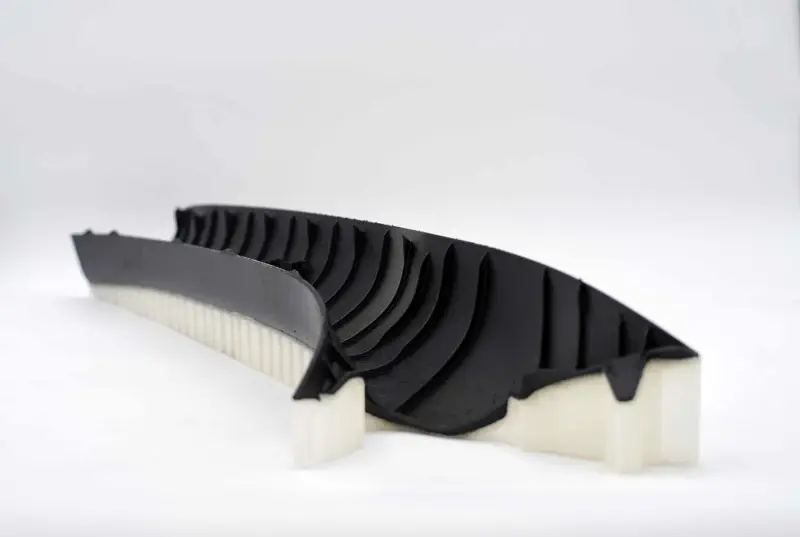
Soluble supports are made from a compatible support material and removed by dissolving them in water. When used alongside the model material, they require dual extrusion. They can help with internal cavities, complex channels, delicate supported features and locations where cutting tools cannot easily reach. Rinsing, drying and surface finishing may still be necessary; soluble support does not guarantee a finished surface.
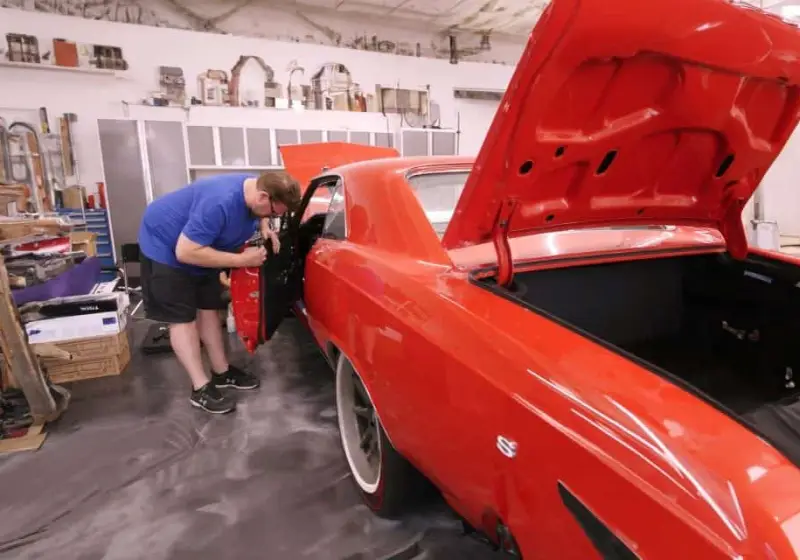
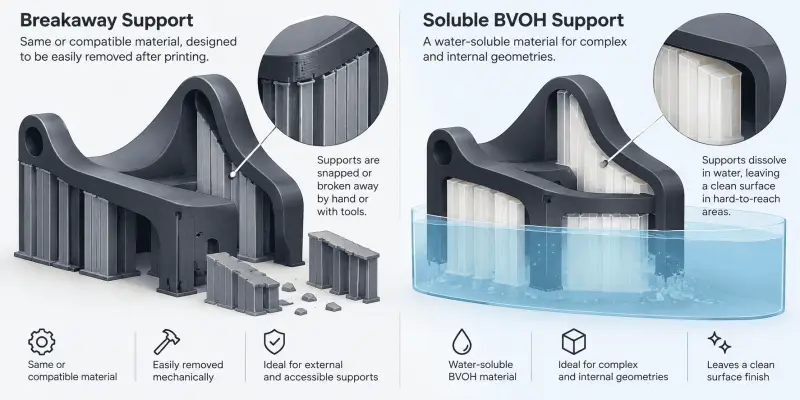
For a large part with simple exterior supports, breakaway material may be easier to manage. For intricate internal supports or delicate geometry, soluble material may reduce the mechanical force applied to the part. If the model material is not compatible with a soluble support, consider breakaway support or redesigning the geometry. These are starting points: printer configuration, slicing strategy and finishing needs also shape the decision.
Remove breakaway support in stages
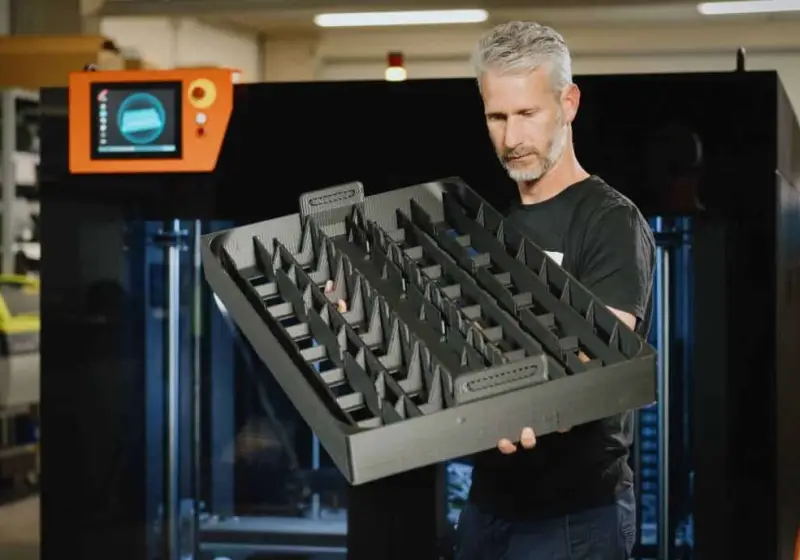
On a large component, the challenge is often the total amount of support and the access available, not simply the part’s size. Support may cover broad surfaces or extend into deep features, making it impractical to remove in one movement.
Clear accessible sections progressively and use a cutting, trimming or hand tool suited to the support and the space around it. If a section resists separation, reduce it gradually, support the surrounding part and avoid levering against thin walls. Work toward difficult areas in stages instead of applying more force to a stubborn interface.
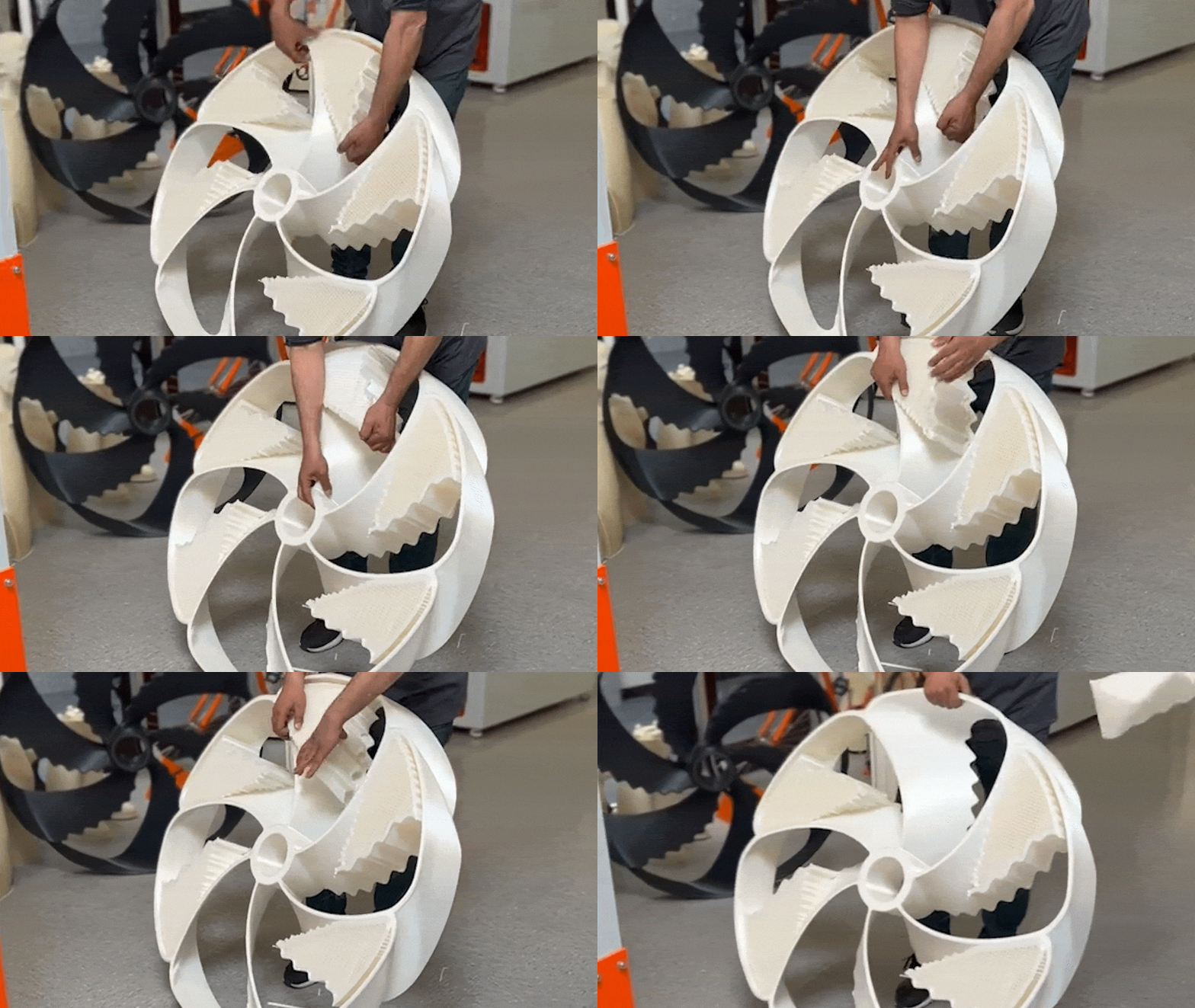
Plan the removal sequence before starting on complex parts. Some support sections may provide access or temporary stability while another area is being cleared. Removing them too early can make later work harder. Reposition the part or support nearby geometry when needed, and take care not to transfer force through thin walls, narrow ribs or unsupported extensions.
BVOH needs a compatible material pairing
BVOH is a water-soluble support material used in dual-material workflows: one extruder prints the model material while the other prints the support. BigRep lists rPLA, rPETG, PA6/66, HI-TEMP CF and PLX as recommended pairings. It also lists PRO HT, HI-TEMP and TPU 98A as possible pairings, with results depending on part size and geometry.
Compatibility is material-dependent. Having a dual-extrusion printer does not make BVOH suitable for every model material. Check the pairing before planning the print.
The BigRep VIIO 250 is one example of an industrial system with dual SMX extruders for multi-material printing. That configuration makes soluble support possible when the material pairing and geometry suit it.
Dissolution depends on access to water
Soluble support removes the need to break support away mechanically, but it still needs a planned process. Dissolution depends on part geometry, support geometry, slicing settings, water temperature and water movement. The key question is where the BVOH sits, how it is shaped and how easily water can reach it.

Warmer water can speed dissolution, and agitation can help fresh water reach support surfaces. But part size alone does not determine soak time. A large part with thin, exposed support may behave differently from a smaller part with deep or densely packed support. Expect the geometry and access to water to matter more than a simple comparison of overall dimensions.
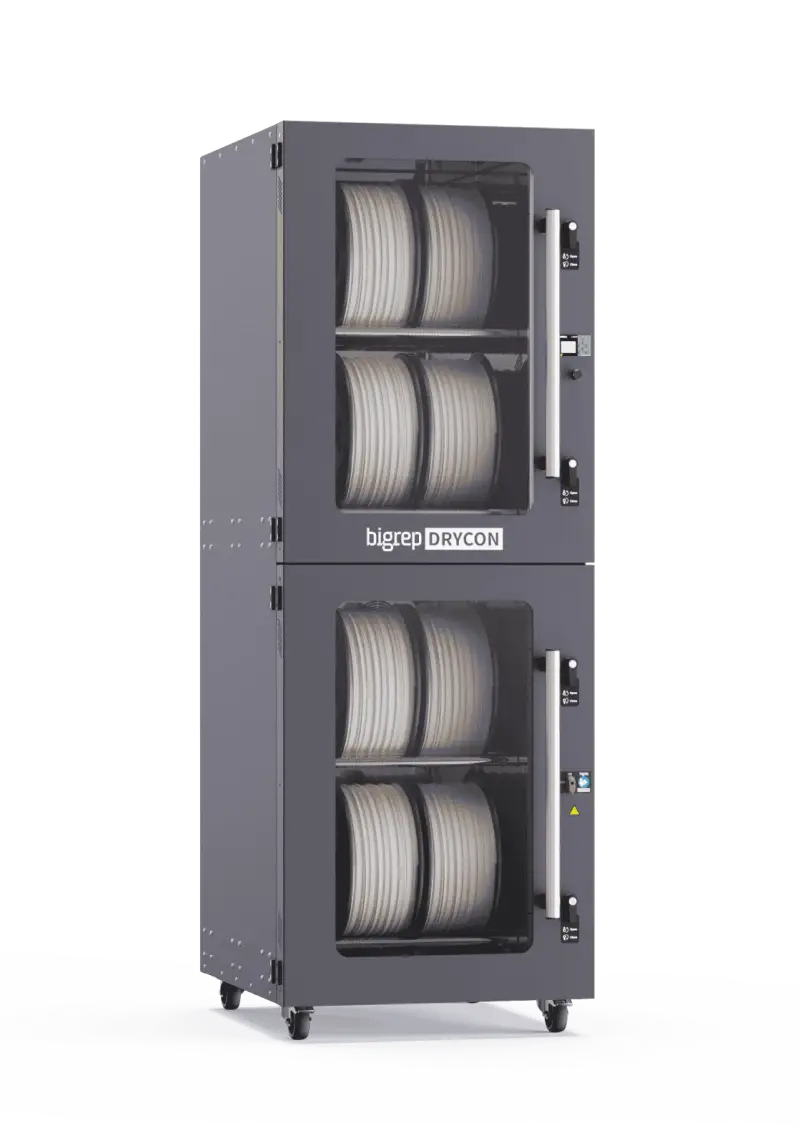
BVOH is highly hygroscopic and readily absorbs moisture from the air. Keep it dry before printing, and follow the material’s drying guidance if it has been exposed to moisture. In production settings, filament conditioning belongs in the print workflow because the support needs to print properly before it can dissolve as intended.
Support removal is only part of finishing
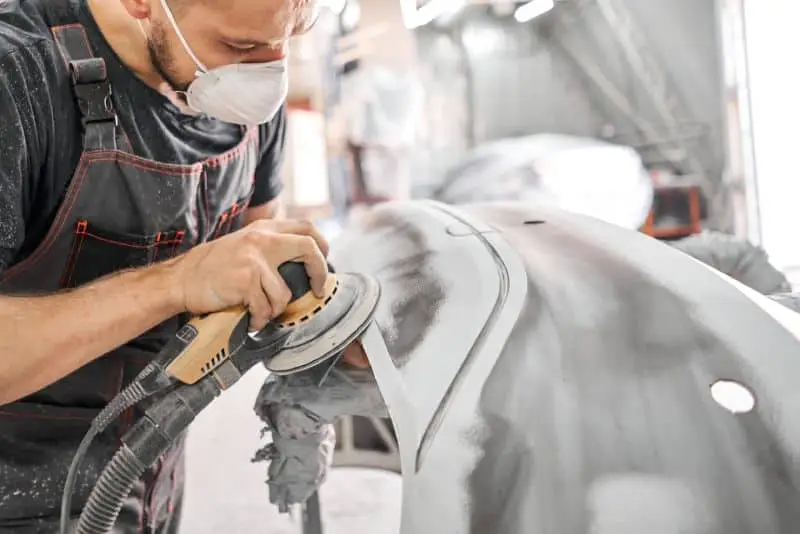
After support comes off, the contact area may still show interface marks, rough texture, small support remnants, stringing or minor surface damage. Depending on the material and application, cleanup may involve trimming, deburring, sanding or controlled surface smoothing.
A heat gun can help reduce strings or visible marks on suitable thermoplastics, but it is not a general method for releasing support. Too much localized heat can deform the part. Choose a finishing method for the material and the surface requirement, and treat support removal and surface finishing as separate steps.
Make support strategy part of the build plan
A useful sequence is geometry, orientation, support type, slicing, access, removal and finishing. Each choice affects the next. A support structure that is easy to print may be difficult to reach; a soluble material that reaches a cavity may need more time or water movement to dissolve; a low-support orientation may compromise another manufacturing requirement.
Assess the whole workflow before a long print begins. Accessible geometry often favors breakaway support. Complex internal geometry may favor soluble support when the material pairing and printer setup are suitable. When neither option fits well, redesigning the part or dividing it into sections may reduce the post-processing burden.
The practical goal is to print only the support the part needs, put it where it can be removed, and leave enough access to finish the surfaces that matter.


