Callaway Plans $15 Million Fort Worth Facility for 3D-Printed Titanium Golf Clubs
- Published
- Author
- Sam Davies
- Reads
- 644
Callaway’s Fort Worth facility is expected to open in 2027 and support US product needs from 2028, initially with custom titanium clubs.
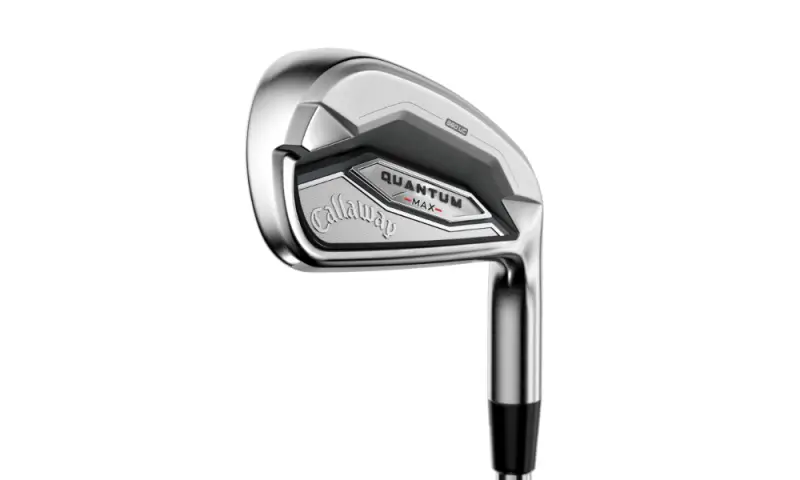
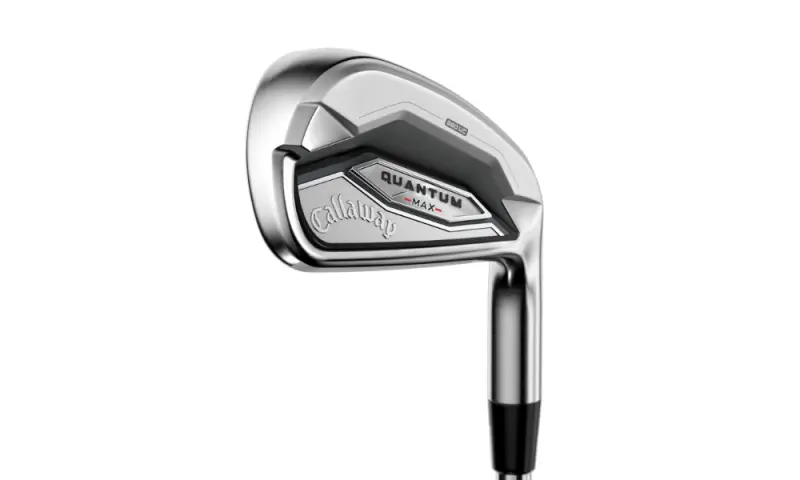
Callaway Golf is putting $15 million into a Fort Worth facility intended to move metal additive manufacturing from internal development toward production. The company expects the site to become operational in mid-2027 and to support part of its US product needs in 2028, starting with custom titanium products. The timing and initial scope make this a manufacturing expansion with a defined first use, rather than an immediate shift of its broader club production to 3D printing.
The practical question is what the process lets engineers design and make. Callaway says the facility will expand its titanium capabilities and give its research and development teams room to pursue club designs that conventional production methods cannot accommodate. Additive manufacturing builds parts layer by layer, which can give designers different options for shaping and consolidating metal features. The source provides no machine types, alloys, production volumes, or part specifications, so the scale and exact design freedoms at the Fort Worth site remain unclear.
From development work to a production facility
Callaway says its additive manufacturing research and development work spans seven years. The company has developed prototypes and custom models internally since 2022, and the new facility is meant to build on that work. That progression matters: prototypes can help teams assess whether a design is worth pursuing, while production requires a repeatable process that can deliver parts to the required quality and schedule. The company has not described its production methods or stated how it will qualify parts for use in finished clubs.
For engineers, the central trade-off is between design freedom and manufacturing control. A design that is difficult or impractical to produce with conventional methods may become feasible through additive manufacturing. But moving from a promising prototype to a part made for customers also involves managing material properties, consistency, inspection, finishing, and integration with the rest of the product. Those are general demands of metal part production; Callaway has not said how it will address them at this facility.
The company frames the investment as an effort to develop performance improvements through new ways of making products, rather than by refining its existing processes alone. That is an ambitious premise, but the performance benefits have not yet been quantified. No test results, club specifications, or comparisons with conventionally made products were provided. The first products to emerge from the Fort Worth operation, and the evidence used to assess their performance, will show more about the engineering value of the investment.
A focused first application
Callaway expects the facility initially to concentrate on custom titanium products. That gives the site a narrower starting point than a broad manufacturing rollout across the company's product range. Custom products can also provide a practical setting for learning how additive processes fit into design and production, although Callaway has not stated whether customization is the reason for choosing titanium products as the first application.
The facility will sit next to Callaway's North America Distribution Center in Fort Worth. The location places the new operation beside an existing part of the company's US logistics network, though the company has not detailed how the two sites will share materials, staff, or production workflows. It expects the additive manufacturing operation to begin supporting a portion of US product needs in 2028; the word “portion” leaves the expected output and the products covered unspecified.
That limited initial scope is useful context when judging what the $15 million investment may change. The announcement points to new manufacturing capacity and a route for selected products, but it does not describe a replacement for established production methods. Nor does it say how many parts the facility will make, how quickly output might grow, or whether later applications will include other materials. Those details will determine how much the site changes day-to-day manufacturing and product development.
Part of a wider US manufacturing footprint
Callaway presents the Texas project as an extension of its US manufacturing activity. The company says it has invested more than $100 million in its golf ball operations in Chicopee, Massachusetts, which it describes as the most advanced golf ball manufacturing facility in the world. That characterization is Callaway's assessment; no comparison criteria or independent evaluation were provided. The Massachusetts operation concerns golf balls, while the Fort Worth project centers on additive manufacturing for golf club products.
Callaway is not the only golf equipment maker to explore printed club heads. Cobra Golf has also worked with the technology and introduced several products with 3D-printed heads. That activity suggests additive manufacturing has moved beyond a laboratory curiosity within the golf equipment sector, though the available details do not support a direct comparison of the companies’ processes or production scales.
For now, the clearest milestones are operational: the Fort Worth facility is expected to open in mid-2027, followed by support for some US product needs in 2028, initially focused on custom titanium products. Engineers and buyers will have a better basis for judging the investment once Callaway identifies the parts it will make and reports how the production process performs. Until then, the project signals a push to give club designers another manufacturing route, with its actual effect dependent on the products and output that follow.