R&S FNH Combines Spectrum, VNA and Power Measurements in a Handheld Analyzer
- Published
- Author
- Saba Aafreen
- Reads
- 810
Rohde & Schwarz’s R&S FNH brings spectrum, real-time, network and power measurements into one portable platform, with options extending to 32 GHz spectrum analysis.
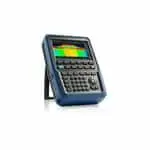
Field engineers investigating RF signals often need both spectral visibility and measurements of cables, antennas or network behavior. Rohde & Schwarz’s R&S FNH handheld combi analyzer brings several of those jobs into one instrument, with spectrum analysis as standard and other functions available through options or compatible accessories. The practical gain is fewer separate instruments to carry between a lab bench and a remote site; the trade-off is that some capabilities depend on configuration.

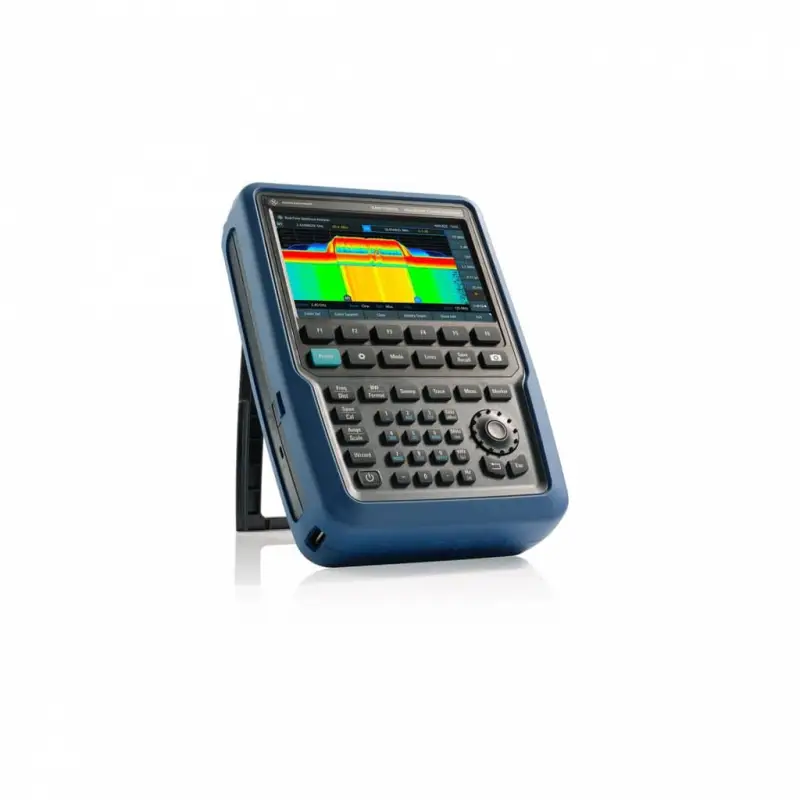
One platform, several RF tasks
The analyzer supports spectrum analysis, real-time spectrum analysis (RTSA), vector network analysis (VNA) and power measurements. These functions address different parts of a field investigation: spectrum views help locate signals and interference, while cable and antenna testing and VNA measurements characterize RF paths and connected components. Power readings are available with a compatible USB power sensor.

Not every measurement function is included as standard. Spectrum analysis is the base capability; RTSA, cable and antenna testing (CAT), and two-port VNA measurements can be enabled using keycodes. Pulse analysis is an optional addition, and power measurement requires the compatible USB sensor. That configuration model matters when comparing the instrument with a field kit assembled from separate analyzers: teams will need to match the purchased options and accessories to the work they expect to perform.

For technicians moving among communications equipment, antennas and RF cabling, combining these functions can reduce instrument changes during troubleshooting. It also lets a user move from observing a signal to checking a transmission path within the same portable platform. The source specifications don’t describe measurement accuracy, dynamic range or connector details, so those figures would need to be checked against the instrument’s technical documentation before a test plan depends on them.

Frequency coverage and signal capture
R&S FNH configurations are offered for frequency ranges up to 6 GHz, 13 GHz and 26.5 GHz. Spectrum analysis can extend to 32 GHz, while VNA measurements are specified up to 26.5 GHz. Rohde & Schwarz also says the spectrum range can be extended. The distinction between the analyzer’s configuration bands and its maximum spectrum range is useful when selecting a model: the upper limit for one measurement mode does not automatically apply to another.
RTSA monitors signals in real time and supports IQ capture bandwidths. The stated minimum intercept time is 3.6 μs, allowing the instrument to capture short signal events that may be missed by slower, swept observation. That capability is relevant when hunting intermittent interference or examining brief transmissions, although the available bandwidth and capture settings will shape what can be observed in a particular setup.

The analyzer’s mix of swept spectrum and real-time tools gives field users more than a single way to inspect activity. Spectrum analysis provides a view across frequency, while real-time capture can preserve short-lived events for closer examination. Engineers can also carry out signal demodulation analysis using R&S VSE software, extending the workflow beyond the instrument’s front-panel measurements.

Built for field use
The instrument has an IP51 rating and a specified operating temperature range of −10°C to +55°C. An optional rain holster raises the stated protection rating to IP54. These ratings describe the unit’s environmental protection in the specified configurations; they don’t remove the need to account for site conditions when planning outdoor measurements.
Rohde & Schwarz identifies radar maintenance, satellite ground station testing, communications servicing, interference hunting and spectrum monitoring as intended applications. The same instrument can also be used in laboratory research. In those settings, portability may help engineers carry a measurement setup to equipment under test, while the selectable functions let a team tailor the unit to its mix of spectrum, network and power work.
Michael Fischlein, Vice President RF Test Solutions at Rohde & Schwarz, described the FNH as combining real-time bandwidth with spectrum and two-port VNA capabilities. That is the manufacturer’s characterization; the supplied product information doesn’t provide comparative bandwidth figures or independent performance results. For an engineering evaluation, the key checks are therefore the exact frequency range, enabled options, sensor compatibility and measurement specifications required by the intended application.
The R&S FNH’s main proposition is consolidation: multiple RF measurement modes are available in a single handheld instrument, with capability shaped by model and options. For field teams, the useful question is whether that configured set covers the measurements they routinely need without adding separate equipment.
Rohde & Schwarz provides product information for the R&S FNH, including its product announcement.