Bambu Lab H2C Review: Vortek Hotend Changes in Seven-Color Printing
- Published
- Author
- Richard Hirst
- Reads
- 620
The enclosed H2C pairs six interchangeable Vortek hotends with a conventional nozzle for up to seven dedicated filament paths. Hands-on prints show where that setup helps.
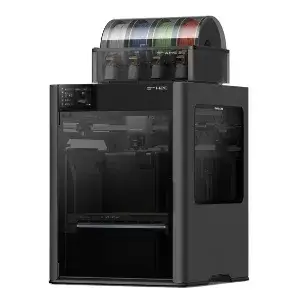
The Bambu Lab H2C’s Vortek system changes how a multicolor printer handles filament changes: instead of pushing successive colors through one nozzle, it can swap among six dedicated hotends. Alongside a conventional nozzle, that gives the enclosed CoreXY machine up to seven dedicated paths for colors or materials. A seven-color melting Rubik’s Cube puts the idea to work; workshop storage and functional parts show the printer’s range beyond display models.
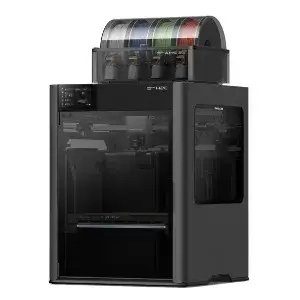
The H2C is listed at $1,899–2,199, with filament sold separately. Its single-nozzle build volume is 305 × 320 × 325 mm. Published limits include a 350°C nozzle temperature, a 120°C heated bed and active chamber heating up to 65°C. Those figures extend its potential beyond PLA, though the printer’s actual material compatibility depends on the filament and printing conditions.
What Vortek changes
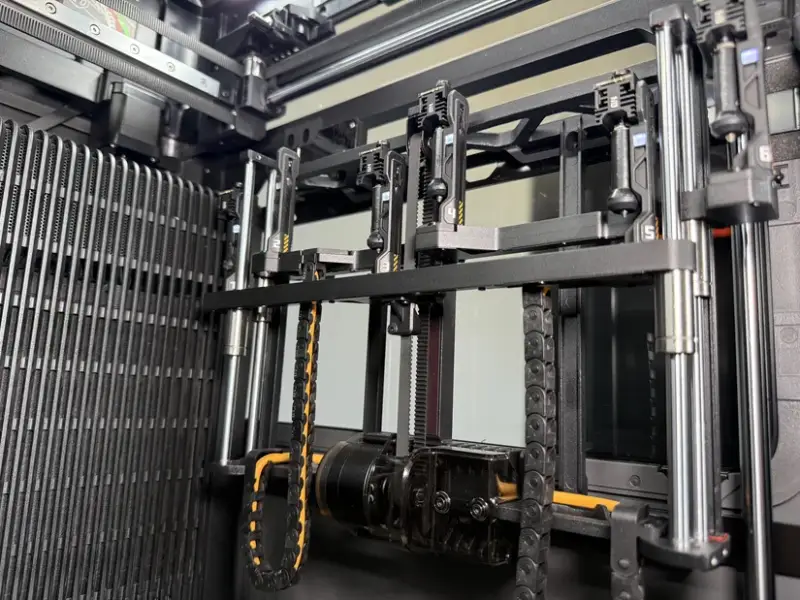
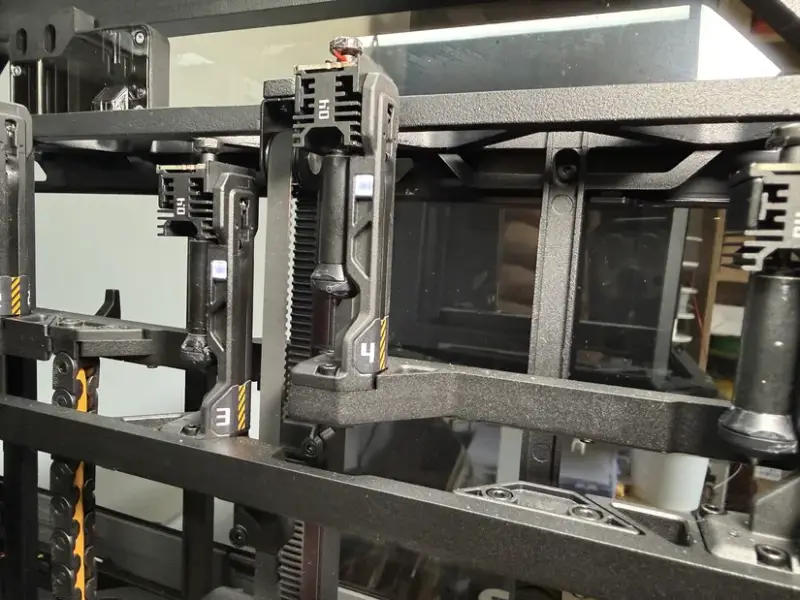
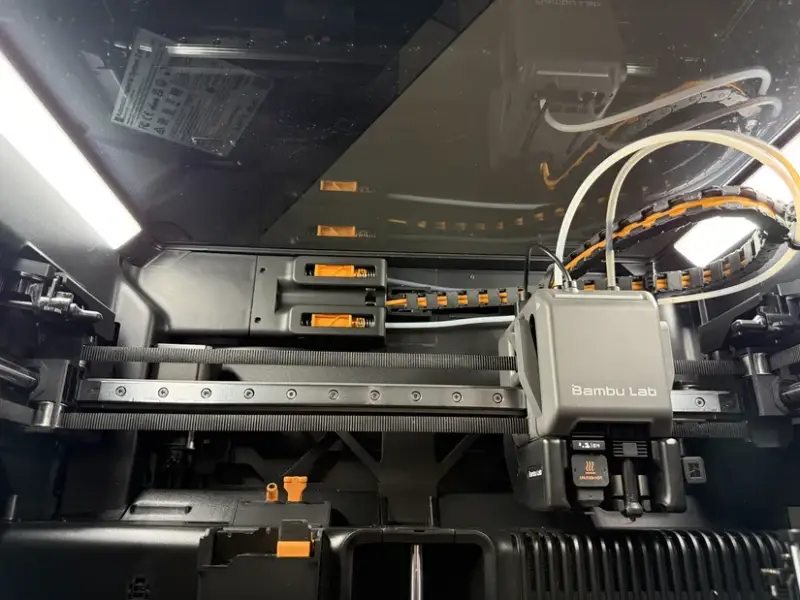
Inside the enclosure, a storage and exchange assembly holds six interchangeable hotends for the right-side toolhead. The printer selects and changes hotends automatically. Because each can serve a dedicated filament path, the system is intended to reduce color carryover and the purge material that a single-nozzle printer typically needs when changing colors. That benefit applies most directly to jobs using no more than the seven available paths; adding more materials can still mean purging and additional filament management.
©3DWithUs – Photo: Richard Hirst
©3DWithUs – Photo: Richard Hirst
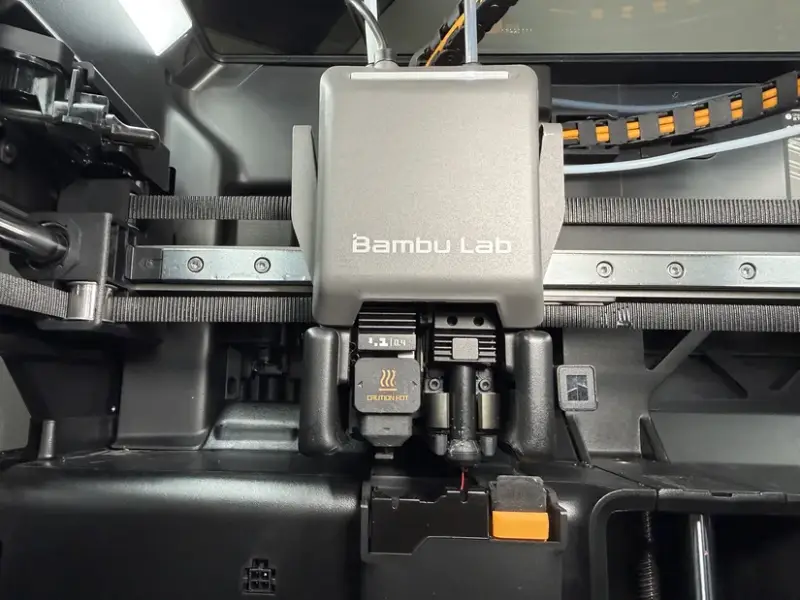
Bambu Lab uses contactless connections and induction heating; the stated heat-up time for the hotends is 8 seconds. The hands-on review describes an Ultimate kit, whose supplied hotends are shown alongside conventional nozzles. Bundle contents differ, so buyers should check which hotends and AMS accessories are included with the package they’re considering.
©3DWithUs – Photo: Richard Hirst
©3DWithUs – Photo: Richard Hirst
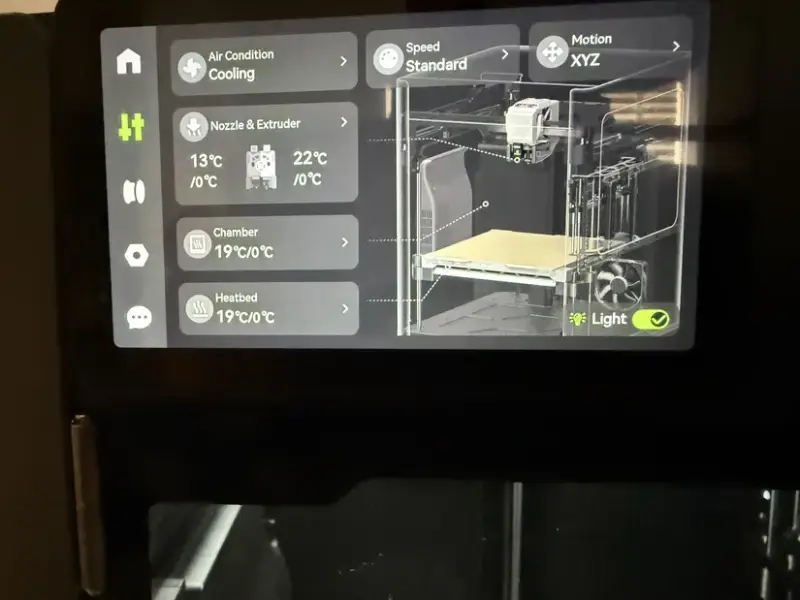
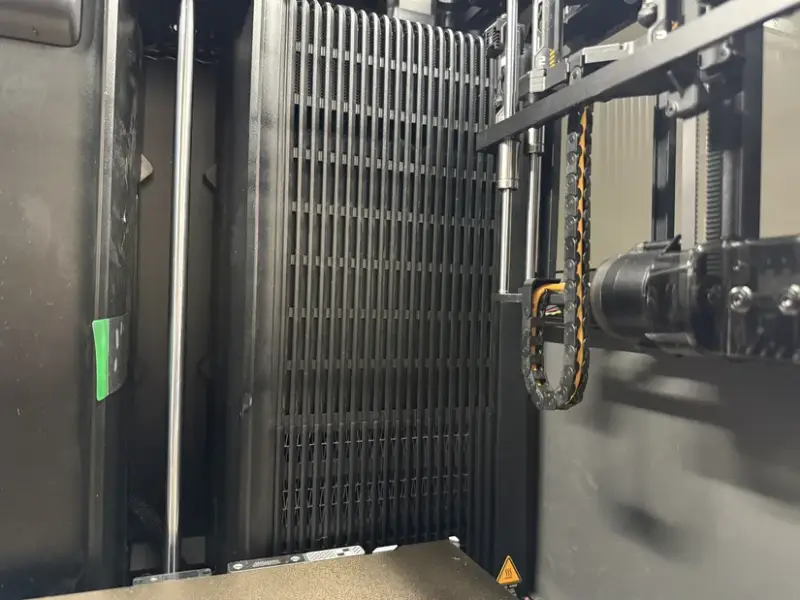
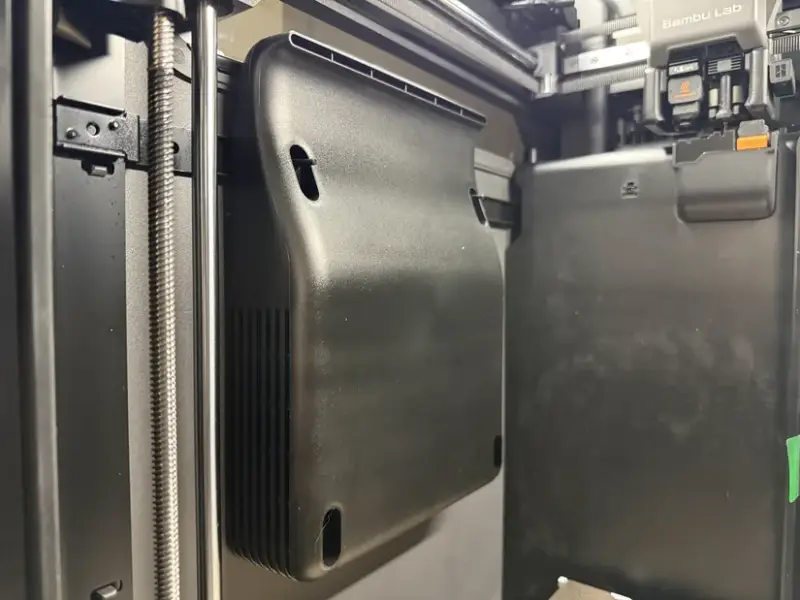
The machine also has automatic calibration, a touchscreen, chamber temperature controls and airflow management. The display shows nozzle, chamber and bed temperatures alongside motion settings. Inside, a rear extraction and filtration area sits alongside a side auxiliary fan, parts of the airflow system that matter when printing materials needing a warmer, more controlled environment.
©3DWithUs – Photo: Richard Hirst
©3DWithUs – Photo: Richard Hirst
©3DWithUs – Photo: Richard Hirst
Bambu Studio handles slicing, color and material assignments, print profiles and AMS management. In practice, the central trade-off is straightforward: dedicated hotends can cut the need to flush one nozzle between colors, but the machine still needs a plan for supplying and managing each filament. The review’s largest multicolor job used two AMS 2 Pro units and an AMS HT to supply the left nozzle.
Prints that put the system to work
A Formula-style racing car combines metallic-looking grey, black and red across its bodywork, wheels, rear wing and smaller details. Its contrast comes from the model’s distinct parts as well as the color arrangement. The design is credited to SAMPAN on MakerWorld.
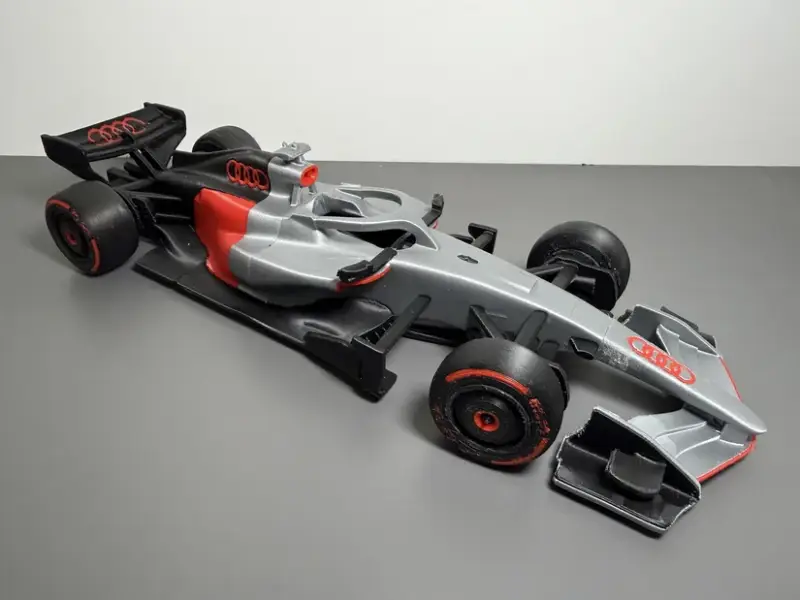
©3DWithUs – Print & Photo: Richard Hirst
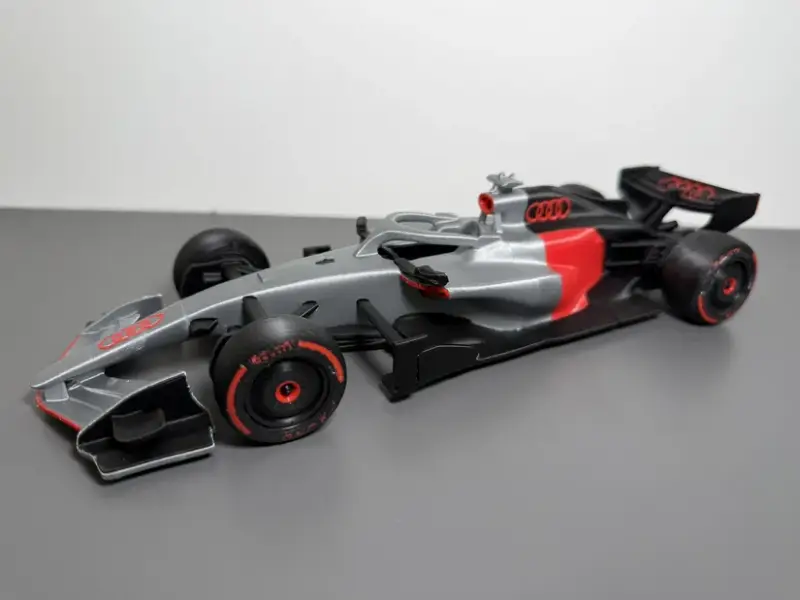
©3DWithUs – Print & Photo: Richard Hirst
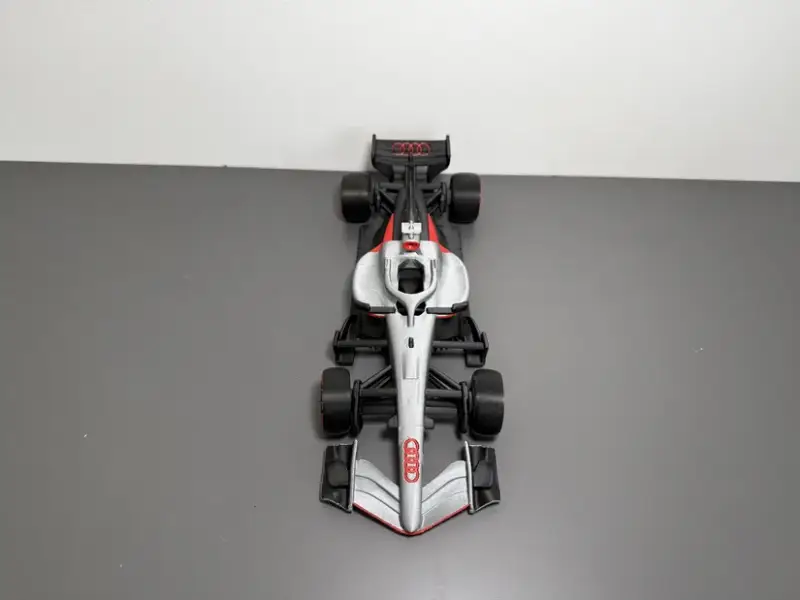
©3DWithUs – Photo: Richard Hirst
The seven-color melting Rubik’s Cube is the clearest demonstration of Vortek’s intended use. The print used all seven nozzle paths, spanning the left nozzle and six interchangeable hotends. The flowing base and colored cube put several color changes into one object, where keeping colors apart is more demanding than on a simple two-color part. The model used was xchris’s Melting Rubik’s Cube – Multicolor 7 Colors – H2C remix on MakerWorld. A separate design, Melting Rubiks Cube – 7 Colors H2C by Kris_Chin Makes 3D, is also listed there.
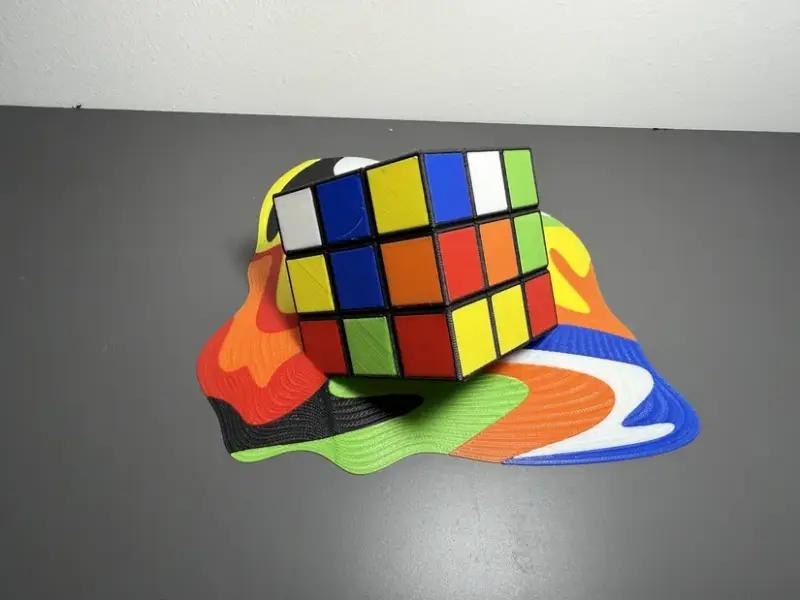
©3DWithUs – Print & Photo: Richard Hirst
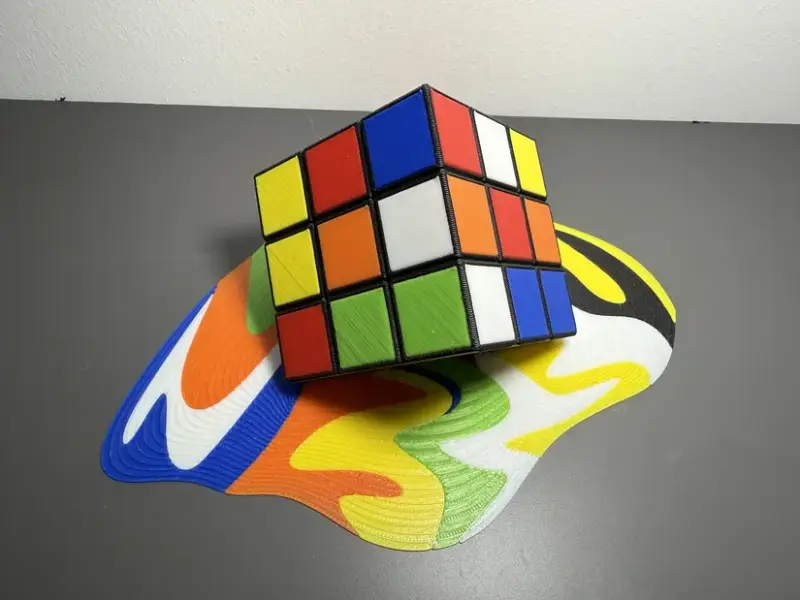
©3DWithUs – Photo: Richard Hirst
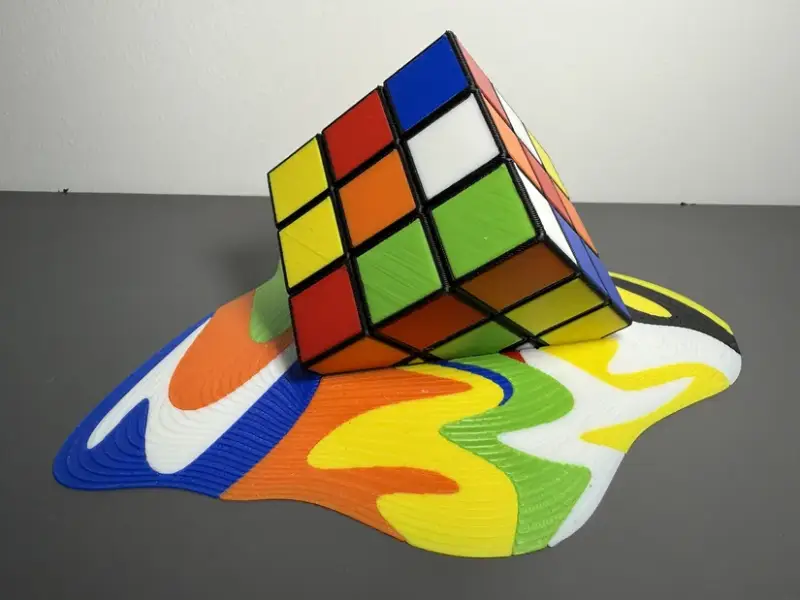
©3DWithUs – Photo: Richard Hirst
A heart-shaped lamp shifts the focus from color separation to the effect of illumination on a printed form. The same model appears with pink and warm orange light. The review gives no print settings or material details for this project, but the two views show how lighting changes the finished object’s appearance.
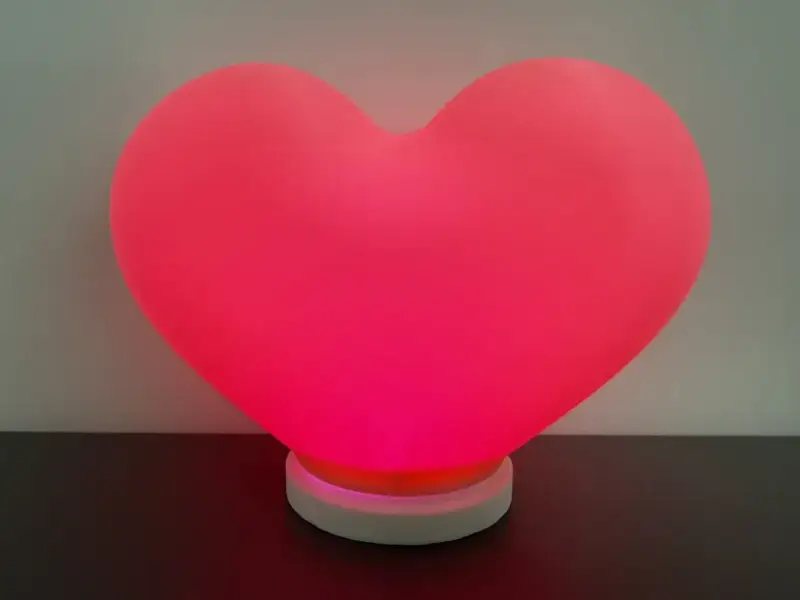
©3DWithUs – Print & Photo: Richard Hirst
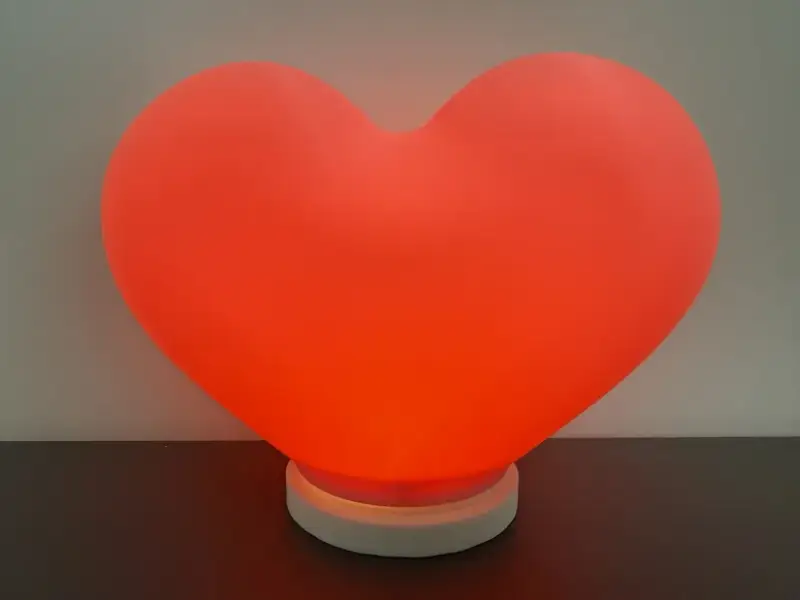
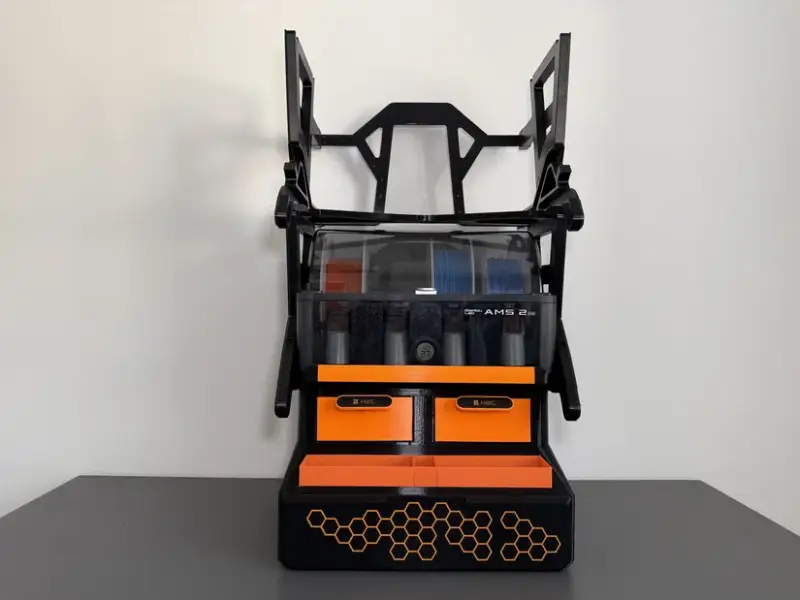
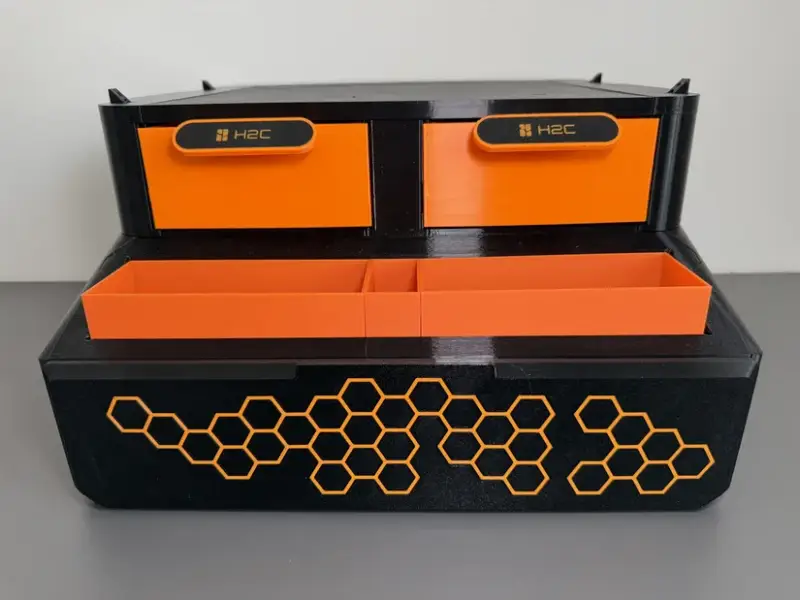
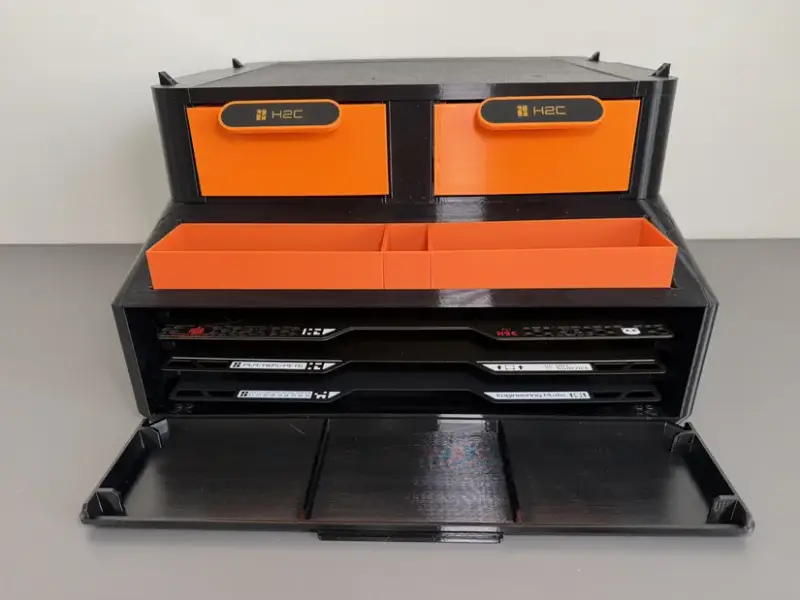
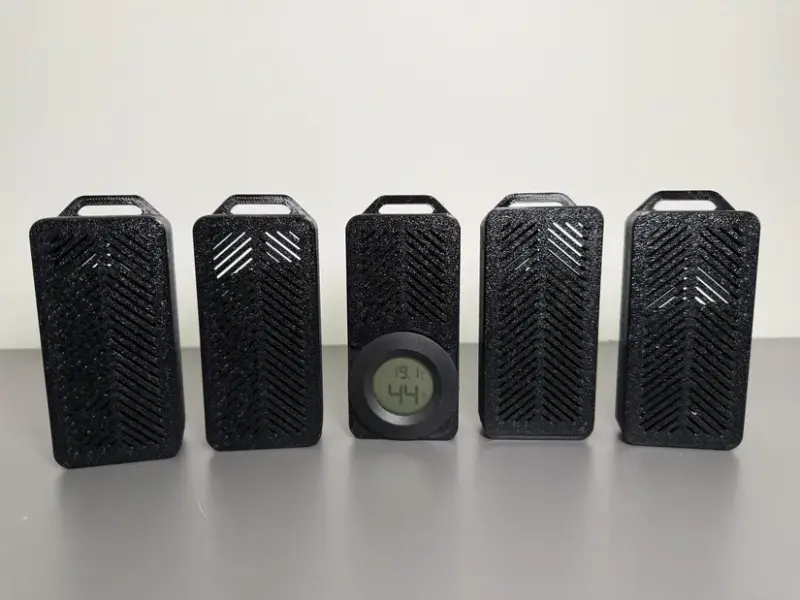
The practical prints include a modular setup around the AMS units. Designs by Willi 3D include the Compact AMS Stacking Solution, BaBo Duo Plate Module H-Series and BaBo Duo Organizer Mono Drawer Module 30. Printed in orange and black PETG, the pieces provide AMS stacking, accessory storage and slots for build plates. The setup also includes AMS 2 desiccant containers, identified as AMS 2 Desiccant Box (no Spool Removal required) by Simple.
©3DWithUs – Photo: Richard Hirst
©3DWithUs – Photo: Richard Hirst
©3DWithUs – Photo: Richard Hirst
©3DWithUs – Photo: Richard Hirst
Two Spider-Man figures show different approaches to multicolor character prints: a large brick-style model with a red and blue suit, and a smaller hooded figure with a black jacket and sneakers. The first is credited to BIG3DS; the linked Classic Spiderman BRICK modular Figure 16 listing identifies the design. No model credit is provided for the hooded figure.
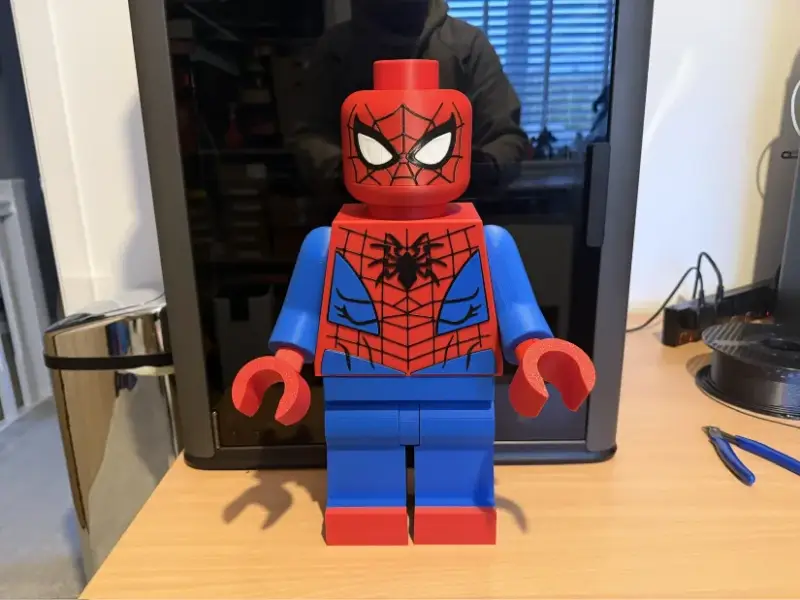
©3DWithUs – Print & Photo: Richard Hirst
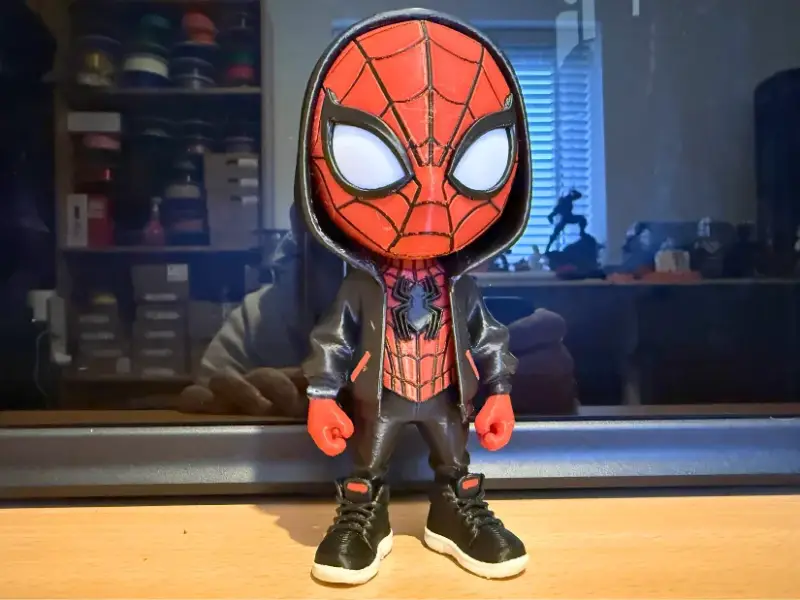
©3DWithUs – Print & Photo: Richard Hirst
Functional work includes printed parts for the SUNLU Maker Kit RC Car, shown before assembly. Brick-style science-fiction figures round out the display prints; their model credits are unverified.
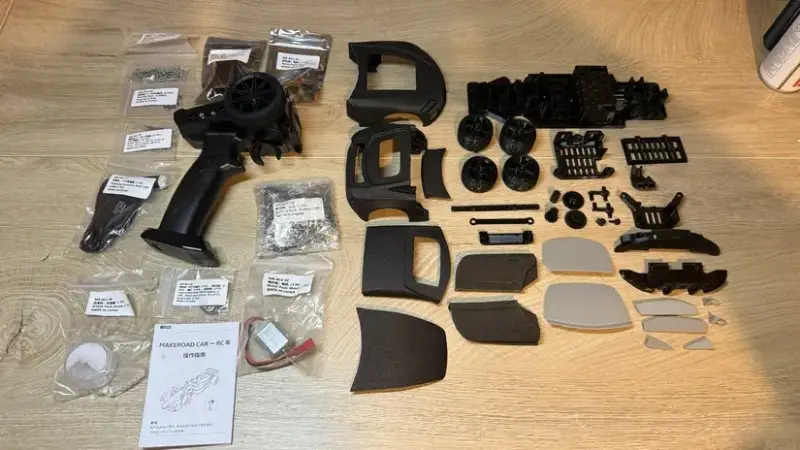
©3DWithUs – Photo: Richard Hirst
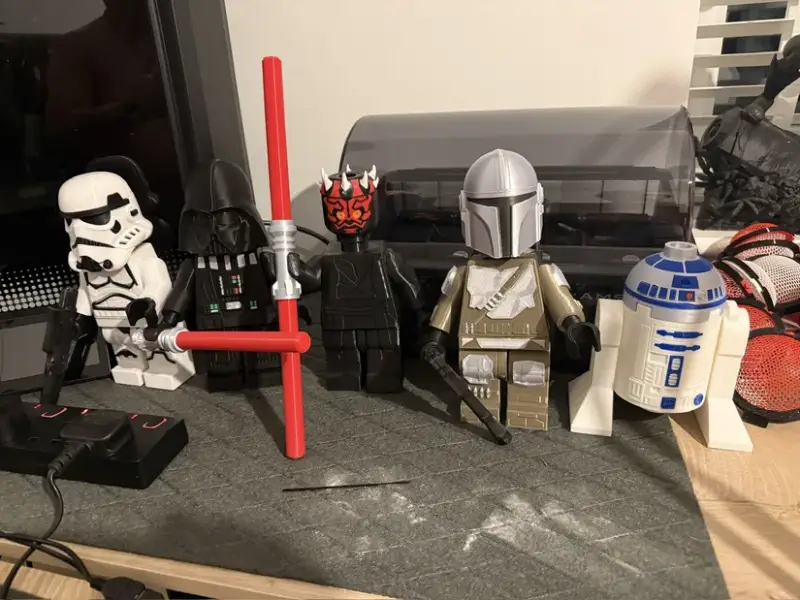
©3DWithUs – Photo: Richard Hirst
How its approach compares
The A1 Combo pairs an open bed-slinger design with AMS lite, while the P1S Combo uses an enclosed CoreXY platform and conventional AMS. Both change filament through one nozzle. The H2C adds hotend exchange to that arrangement, aiming to reduce repeated purging when a job stays within its dedicated paths.
Other machines tackle the same material-waste problem differently. The Creality K2 Pro Combo uses automatic filament switching through a single nozzle, so color changes require purging. The Snapmaker U1 carries four complete toolheads, each with its own filament path, for four-color changes. H2C’s six interchangeable hotends plus its conventional nozzle provide up to seven paths. These designs trade machine complexity and tool count against the number of materials available without a nozzle purge.
Bambu Lab introduced the H3C on November 3, 2026. Its Swaptek system uses nine independent print tools with dedicated filament paths; Bambu Lab states that tool changes take less than six seconds. That is a different mechanism from Vortek’s interchangeable hotends. The H2C review doesn’t test the H3C, so speed, material compatibility and filament waste remain useful points for a direct comparison.
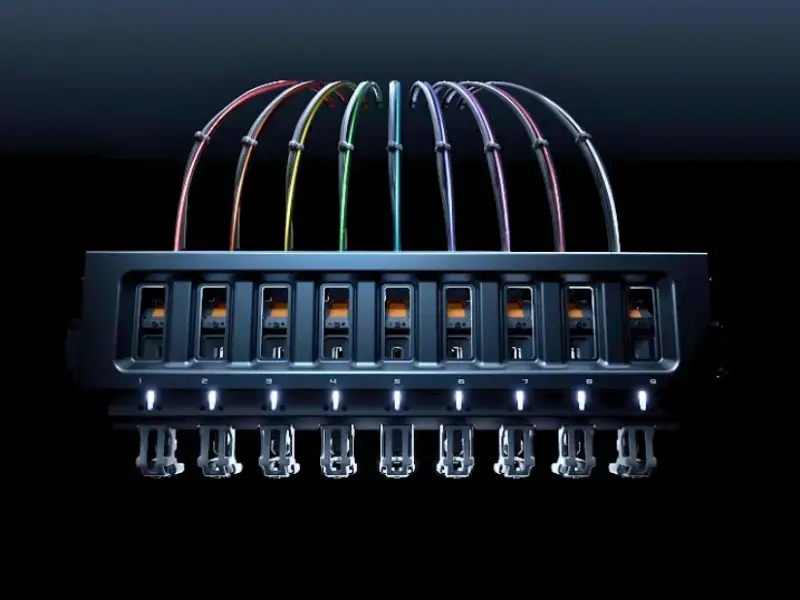
The H2C’s case rests on a specific advantage: it can keep several hotends ready and assign them to separate colors or materials, while retaining a conventional nozzle. The seven-color cube shows that arrangement in use; the AMS storage prints show the surrounding equipment it can support. For buyers comparing multicolor systems, the practical questions are how many dedicated paths their models need, what comes in the chosen bundle and how the printer handles jobs that exceed those paths.