Scalextric4Schools Turns CAD and 3D Printing into a Student Engineering Challenge
- Published
- Author
- Simon Hooks
- Reads
- 821
Students design, print and race model cars, testing how CAD decisions affect fit, reliability and track performance.
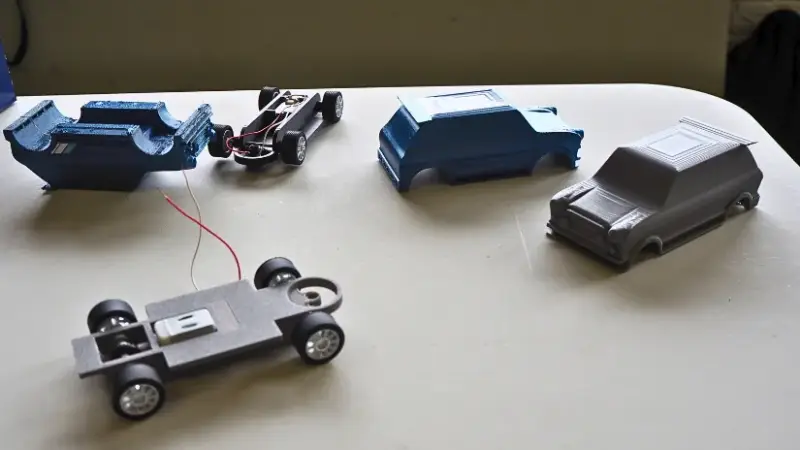
Scalextric4Schools puts a practical test at the end of the CAD workflow: students must turn a digital car design into a printed assembly that runs on a track. The UK STEM competition links modelling, additive manufacturing and hands-on testing, giving teams a reason to consider how geometry, fit and component placement affect a working vehicle.
The programme was established in 2009 and relaunched after the pandemic by UK Design & Technology teachers Simon Hooker and Antony Cross. Its approach is summed up in three stages: design the car, make its parts, then race it. The format is accessible to newcomers while offering experienced teams room to take on more of the mechanical design.
From CAD model to printed parts
Students use Onshape, PTC’s cloud-native CAD platform, to create their car bodies and explore shapes, proportions and assemblies. Because the software runs across a range of devices, students can develop models without being tied to a particular type of workstation. More advanced teams can design their own chassis and mechanical components as well as the body.
3D printing makes the model tangible, and that transition is where design assumptions meet manufacturing constraints. A body that appears complete on screen may print with walls too thin to withstand handling. Mounting points may miss their intended positions, or parts may clash when the assembly is put together. Teams have to work through material choice, print orientation, tolerances and structural strength as they refine the design.
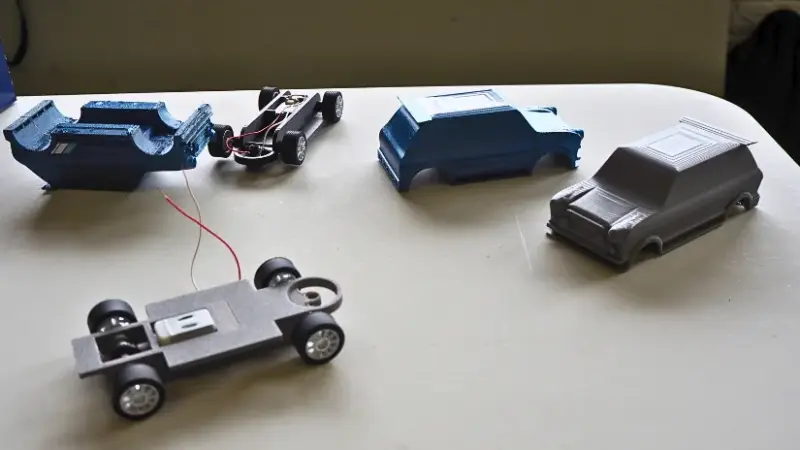
That iteration is central to the learning. A failed fit or fragile feature gives students a specific problem to address in the CAD model, and another print lets them check whether the change worked. Racing then adds a performance test to the manufacturing and assembly checks: a visually appealing car still has to function on the track.
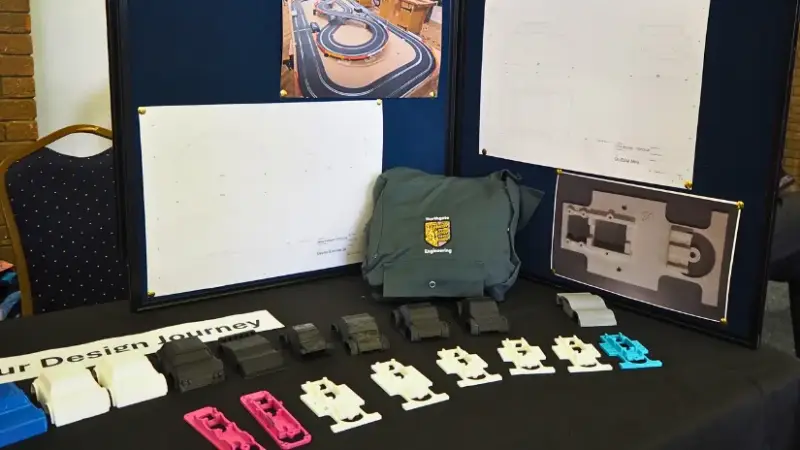
Different entry points, shared engineering work
For the 2027 competition, Rookie teams can use a supplied chassis. Championship teams must design and manufacture both their own body and chassis. The distinction gives new schools a way into the challenge while asking experienced participants to take responsibility for a larger share of the vehicle design.
Once printed parts are combined with motors, electrical connections and mechanical components, teams must consider the car as a system. Weight distribution, wheel alignment, friction and reliability all affect whether the assembly performs as intended. The competition connects CAD choices to physical outcomes, while requiring students to coordinate design, fabrication and assembly work.
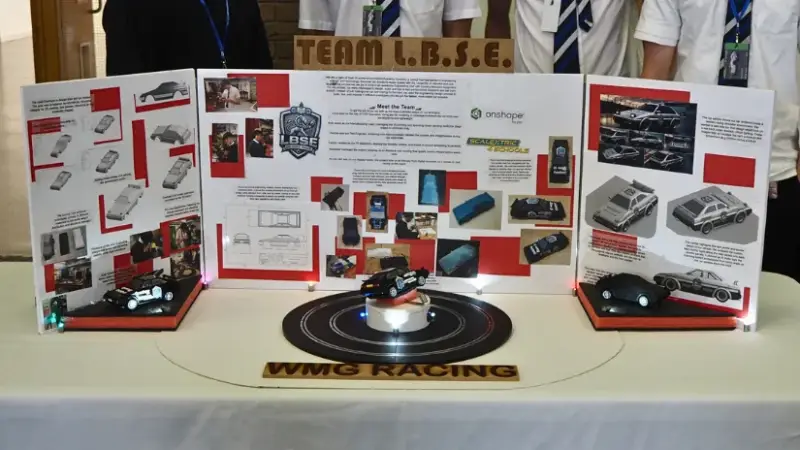
Teamwork and communication are part of that process. Students need to share design decisions, identify problems and explain how revisions affect the finished car. The track provides a common way to see whether the assembled vehicle works, while the development work behind it exposes the trade-offs that a single race result cannot show.
Participation and classroom support
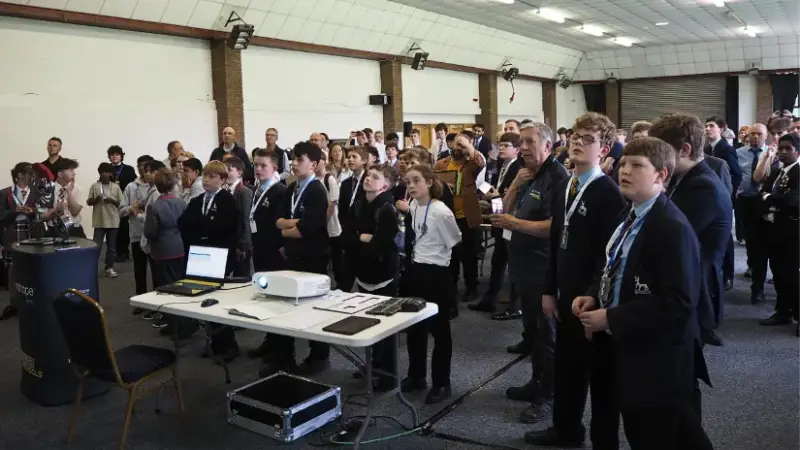
At the 2026 national finals at Stoneleigh, 30 teams and 128 students competed with cars they had designed and manufactured. For the 2027 programme, the organisers reported 76 paid schools and 117 teams, representing 468 potential student places. Registrations included schools in the United States, Singapore and Sweden.
Onshape/PTC, Scalextric, KeyShot and PDS Vision support the programme. It is run by Hooker and Cross alongside their full-time teaching work, and the organisers identify access to manufacturing equipment as an ongoing challenge as participation grows. In particular, schools have different levels of experience and access to 3D printers, so providing a route into the project that does not depend on advanced equipment is part of the programme’s development.
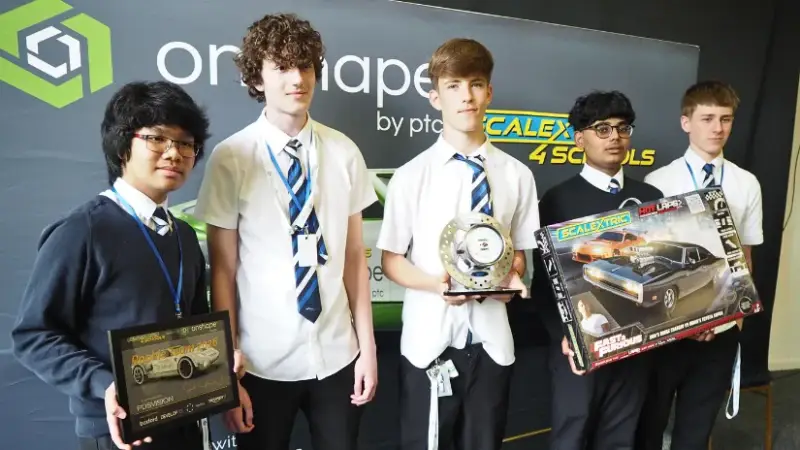
Teacher resources help schools build confidence with the design tools. The Onteacher YouTube channel offers free Onshape tutorials, while the Onshape for Teachers Facebook group gives educators a place to exchange ideas and questions. The group grew from 362 to 620 members in 16 days between October and November 2026; Onteacher had more than 540 subscribers. The organisers also see scope to work with 3D printing manufacturers to help schools gain access to equipment, resources and expertise.
What the race measures
For students, the finish line is only one part of the result. A first successful printed body may be a meaningful milestone; for a more experienced team, the work may centre on developing a chassis, refining components or improving performance through testing. Each step involves translating a digital design into a physical object and checking whether it can do the job it was designed for.
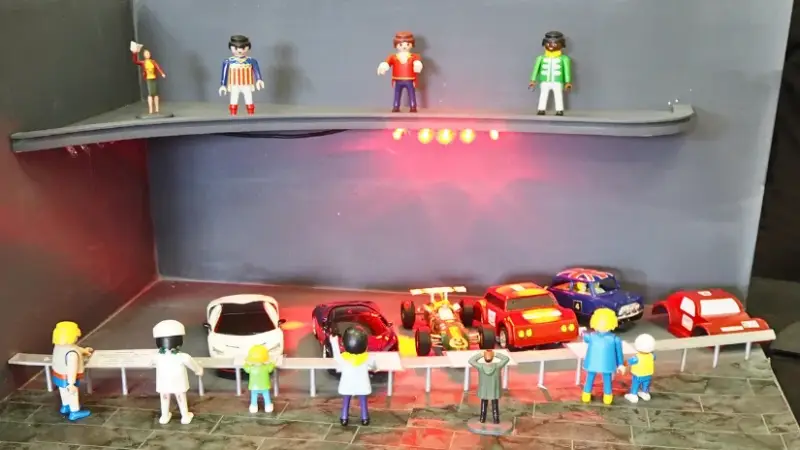
Scalextric4Schools is a UK-based education initiative that welcomes schools in the UK and internationally. Its combination of CAD, 3D printing, assembly and racing makes design decisions visible: a model must fit, print, come together with its components and run. That sequence gives students a direct way to connect engineering choices on screen with the behaviour of a finished product.