Etsy Raspberry Pi Cases: Project-Specific Enclosures and Retro Designs
- Published
- Author
- Thomas Dyan
- Reads
- 599
Etsy makers sell Raspberry Pi cases for PiKVM builds, radio hotspots, clusters and themed desktops, with fit and cooling worth checking.
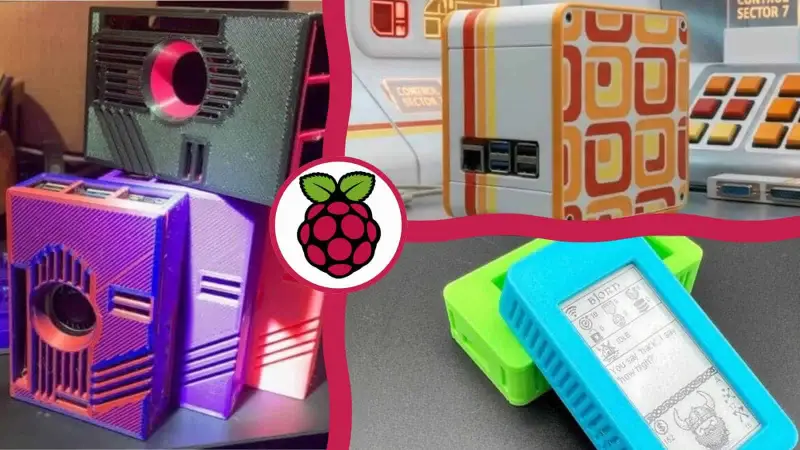
A case for a Raspberry Pi can do more than cover the board. On Etsy, independent makers sell enclosures shaped around particular projects, add-on hardware and visual themes. That makes the marketplace useful when a standard case won’t accommodate a HAT, display or unusual layout, or when the enclosure itself is part of the build.
The range runs from compact housings for specialist electronics to miniature retro computers. The practical trade-off is that a distinctive design may be tied to a specific board or configuration. Before ordering, check which Pi model and accessories the case supports, and whether its openings line up with the ports and controls your project needs.
Enclosures built around a project
Adding a HAT, screen or other accessory can make an off-the-shelf enclosure a poor fit. Etsy listings include cases designed for particular combinations of hardware, including a low-profile enclosure for a Raspberry Pi Zero 2W used in a mini KVM. A KVM lets an operator interact with a computer through a keyboard, display and mouse connection; in a remote access setup, it can provide control even when the target computer lacks remote desktop software. LeapFab’s Pi Zero 2W case is presented for this kind of compact build.

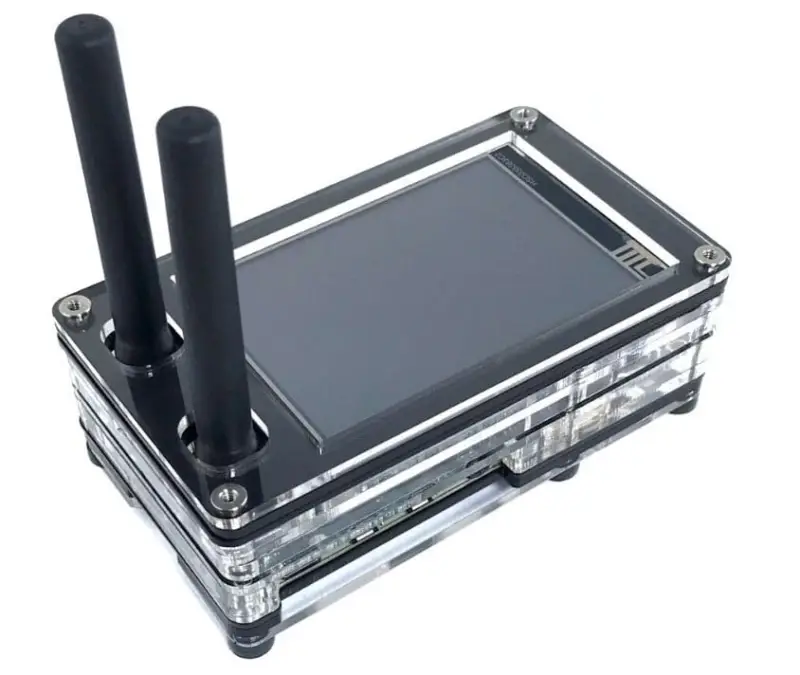
Radio projects have their own enclosure needs. A portable case for an MMDVM hotspot is listed by theC4Labs. A dedicated shell can make a small hotspot easier to carry and keep its parts together, though buyers still need to confirm that the listing matches their particular board and radio hardware.

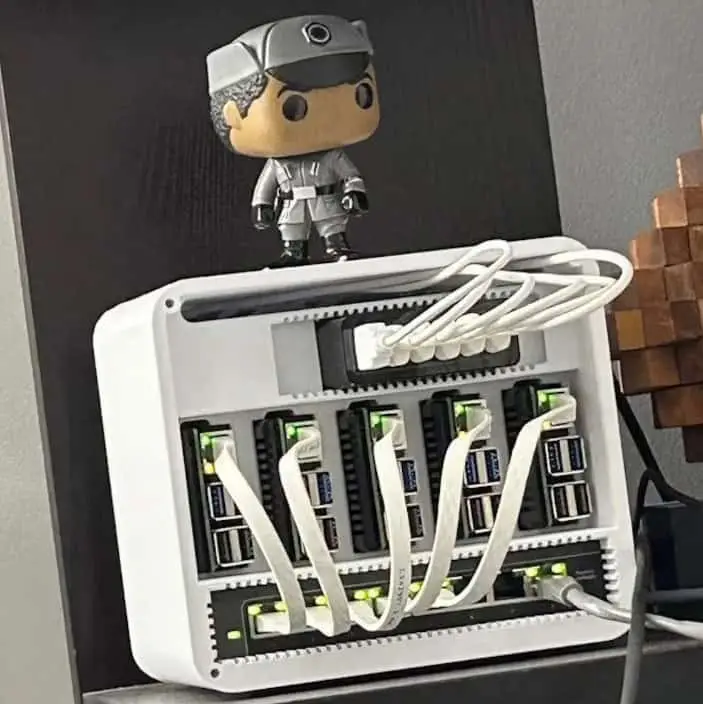
Multi-board systems raise a different challenge: keeping several nodes and their wiring organized. TZEInnovations lists a five-node Raspberry Pi cluster case for home lab setups, including clusters used to run Kubernetes. A shared enclosure can make a cluster easier to arrange on a bench or shelf, but the finished layout still depends on how the nodes are powered, connected and cooled.
Small screens and purpose-built controls
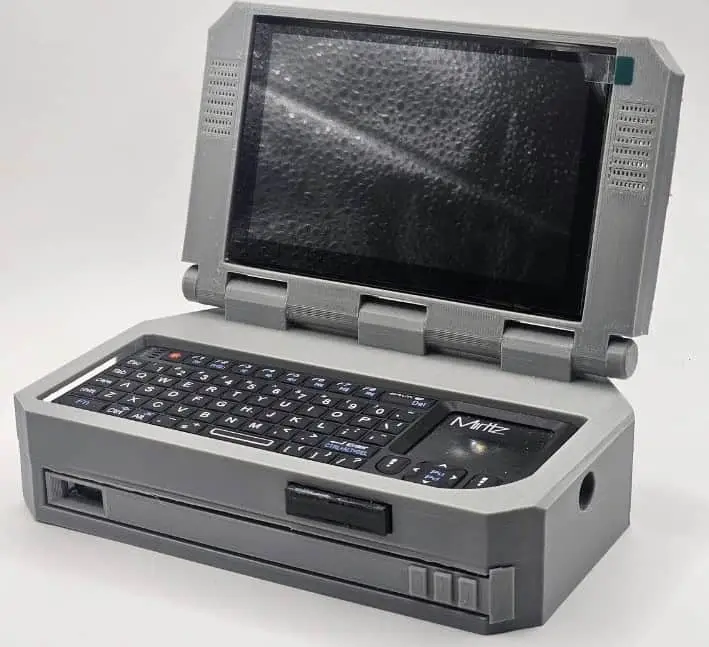
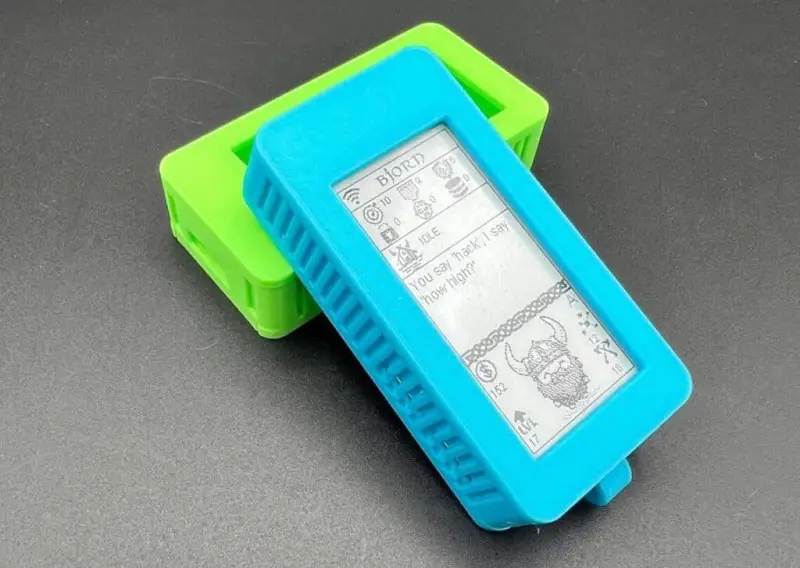
Some builds need only a compact display rather than a large touchscreen. Etsy listings show cases intended for small-screen projects, including a portable cyberdeck, a Pwnagotchi device with an e-ink display and a Seedsigner enclosure for an air-gapped Bitcoin hardware wallet. The point of these designs is integration: the screen and board are arranged as a single handheld or desktop object instead of a collection of exposed modules.
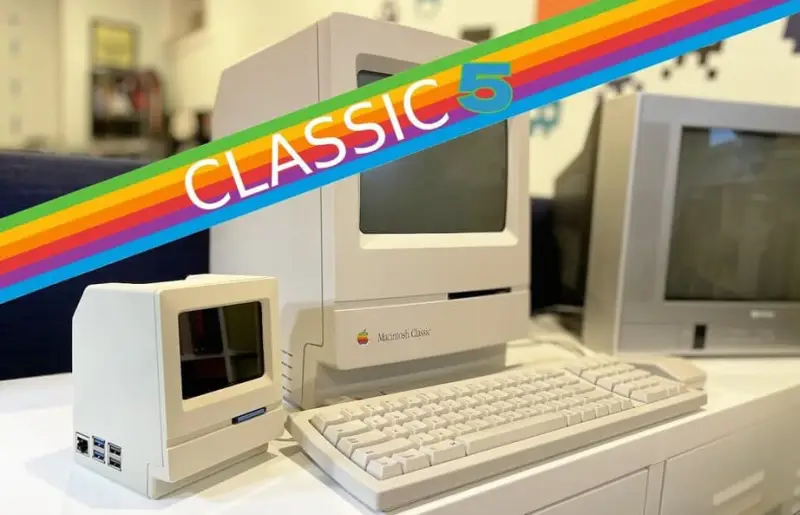
- Freedominus lists a case for a Raspberry Pi 5 cyberdeck.
- 3DCreationsLab1 offers a Pwnagotchi case designed around an e-ink display.
- BTCecon lists an enclosure for a Seedsigner hardware wallet.
These examples also show why a product photo alone may not be enough to judge fit. A screen’s dimensions, mounting points and cable position can determine whether the enclosure works with the parts already on hand. Buyers should compare the listing’s supported configuration with their own build before treating a case as a drop-in option.
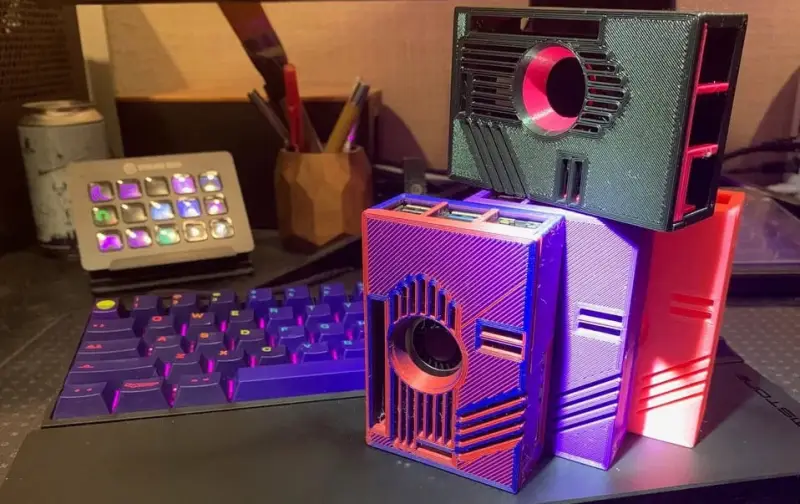
Retro styling turns the case into part of the build
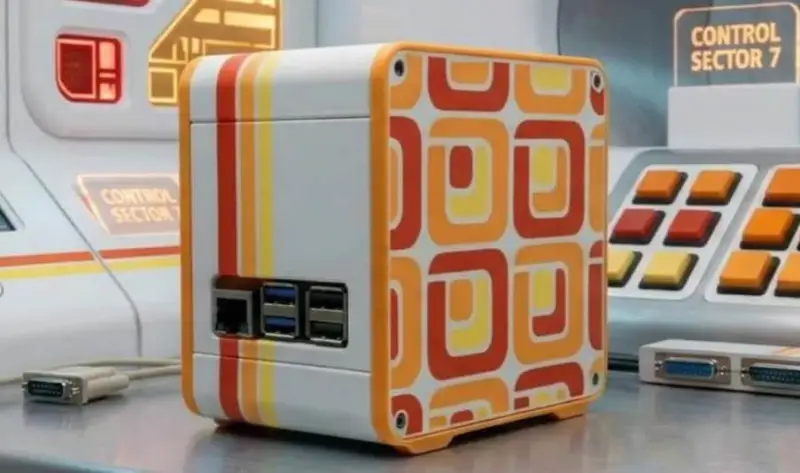
For a project where appearance matters as much as packaging, Etsy has miniature computer designs that borrow from familiar desktop shapes and science-fiction aesthetics. ZMG3D’s 70s-inspired case takes the form of a small desktop tower, while BrentTechLLC’s miniature Macintosh-style enclosure gives a Pi a compact classic-computer look.
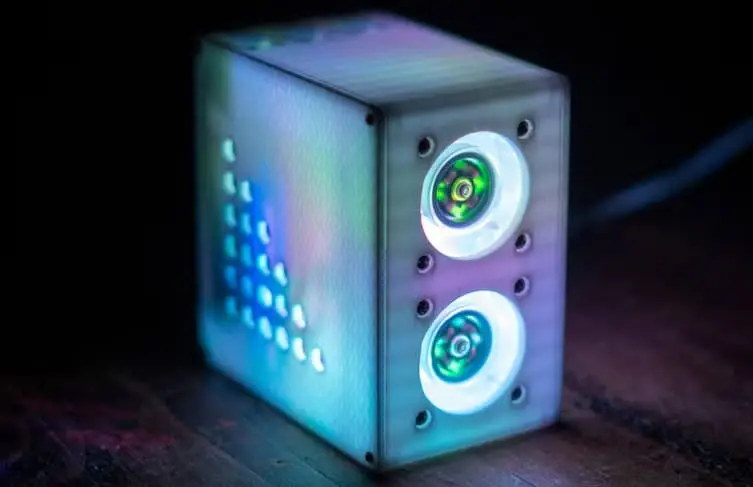
Other listings lean into gaming and film references. the3dprintedcow offers a neon vaporwave design, and ATribeCalledCars lists a nano desktop tower with RGB LEDs. For a more overt display piece, LiveOaklandLakePrints has a WOPR case inspired by the film WarGames, while Lab95 offers a design depicting the Charge of the Rohirrim from The Lord of the Rings.
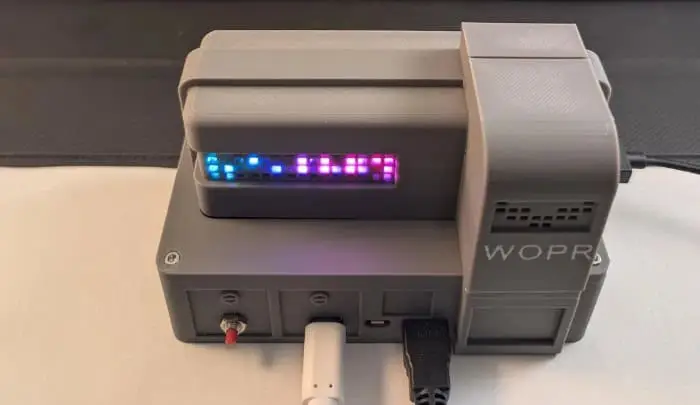
These enclosures can make a small computer more personal, but visual styling doesn’t answer the engineering questions. Check the supported Pi generation, port access, clearance for attached boards, and room for any display or cables. Cooling and access to connectors matter too, particularly if the system will run continuously or needs regular service; the listing details should establish whether the case suits that use.

Choosing a case for the job
For a conventional Raspberry Pi 4 or Pi 5 setup, a standard case is often the simplest route. A specialist design makes more sense when the project has a particular accessory stack, needs a compact integrated layout or benefits from a distinctive enclosure. Etsy gives makers and buyers a place to find those niche designs without first drawing and printing a case from scratch.
The useful question is not just whether a case looks right. It’s whether the model, board layout and interfaces match the build. Treat each listing as a configuration-specific part, verify its stated compatibility, and the unusual designs can be practical as well as eye-catching.